
The UK has not banned mercury fillings for adults, but it is phasing them out. In November 2025, more than 150 countries, including the UK, agreed to end the manufacture, import and export of dental amalgam by 2034. Below, we explain what the rules mean for the silver fillings you already have, and when replacing them makes sense.
What Are Mercury Fillings?

Mercury fillings are the silver-grey fillings that many people have in their back teeth. Dentists call them dental amalgam. The material is a mix of metals, and about half of it by weight is mercury. The rest is mainly silver, tin and copper.
Dentists have used amalgam for well over a century because it is strong, long-lasting and low cost. As a result, it is still the most common material for NHS permanent fillings across the UK. However, more people now choose tooth-coloured fillings instead, either for appearance or because they prefer to avoid mercury.
Are Mercury Fillings Banned in the UK?
Not yet. In England, Scotland and Wales, dentists can still place amalgam in adults. However, the law has protected some groups of patients for several years.
Since 1 July 2018, UK law has said that dentists should not use amalgam for baby teeth, for children under 15, or for pregnant or breastfeeding women. The only exception is when a dentist decides it is strictly necessary for that patient’s medical needs. In addition, since 2019 dentists may only use amalgam in pre-measured capsules, and every practice must have an amalgam separator to catch waste.
Northern Ireland is a special case. Because it still follows some EU rules, it already had a phase-out date of 31 December 2034, unless a global agreement brings it forward.
The EU Ban and the 2034 Global Phase-Out
The European Union went further. It banned most use of dental amalgam from 1 January 2025, with only narrow exceptions.
Then, in November 2025, countries signed up to the Minamata Convention on Mercury agreed a global phase-out date of 2034. The Convention is an international treaty to cut mercury pollution, and the UK is one of its parties. After 2034, countries will no longer allow anyone to make, import or export dental amalgam. This effectively gives Great Britain an end date for mercury fillings, which it did not have before.
In Scotland, the Scottish Government’s amalgam action plan aims to reduce amalgam use mainly through better oral health and prevention. Put simply, the goal is for fewer people to need fillings at all.
Why Mercury Fillings Are Being Phased Out
The phase-out is mainly about the environment. Mercury from dental waste and from cremation can reach the air, soil and water. From there, it can build up in fish and the wider food chain. Therefore, governments want to reduce how much mercury is used overall.
The ban does not mean that your existing fillings have suddenly become harmful. In fact, the new rules apply to new fillings, not to the ones already in your mouth.
Are Mercury Fillings Safe?

Health bodies broadly agree that intact amalgam fillings are not harmful for most people. For example, the US Food and Drug Administration (FDA) said in 2020 that the weight of evidence does not show harm to the general population from amalgam.
However, the FDA also said that some groups may be at greater risk from mercury exposure. It recommended that these groups avoid new amalgam fillings when possible and appropriate:
- pregnant women and their developing babies
- women who are planning a pregnancy
- women who are breastfeeding, and their babies
- children, especially those under six
- anyone with a neurological condition, such as multiple sclerosis, Alzheimer’s disease or Parkinson’s disease
- people with reduced kidney function
- those with a known allergy or sensitivity to mercury or other parts of amalgam
Importantly, the FDA does not recommend removing amalgam fillings that are in good condition, unless a healthcare professional thinks it is medically necessary. This is because removing a filling releases more mercury vapour than leaving it alone.
Should I Have My Mercury Fillings Removed?
If your fillings are intact and you have no symptoms, you do not need to replace them because of the ban. Equally, we do not recommend replacing sound fillings for health reasons alone.
That said, there are good reasons to talk to a dentist about replacing a filling:
- the filling has cracked, worn down or started to leak
- there is new decay under or around it
- the tooth is sensitive or painful
- a diagnosed allergy to a metal in amalgam
- a preference for tooth-coloured fillings, for appearance
- you would rather not keep mercury in your mouth, after talking through the pros and cons with your dentist
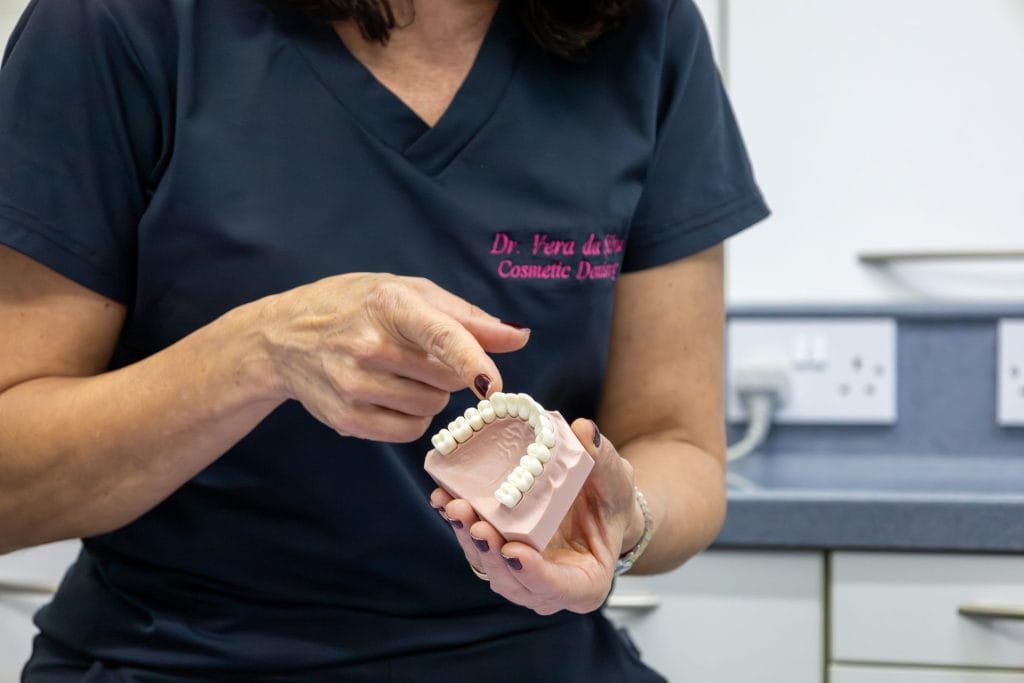
If you are pregnant or breastfeeding, speak to your dentist first. The IAOMT advises against removing amalgam during pregnancy or breastfeeding, so it is usually best to leave non-urgent replacement until afterwards.
How Old Mercury Fillings Are Removed with the SMART Protocol
Drilling out an amalgam filling creates heat, and heat releases mercury vapour and fine particles. Therefore, the way your dentist removes a filling matters as much as the decision to remove it.
At Integrated Dentalcare, we follow the SMART protocol (Safe Mercury Amalgam Removal Technique). The International Academy of Oral Medicine and Toxicology (IAOMT) developed it to reduce exposure for patients and the dental team. It includes measures such as:
- a rubber dam to isolate the tooth
- high-volume suction close to the tooth
- plenty of cool water spray to keep the temperature down
- cutting the filling out in chunks rather than grinding it away
- protective covers for your skin and clothing
You can read the full step-by-step process on our amalgam removal in Edinburgh page.
What Replaces Mercury Fillings?

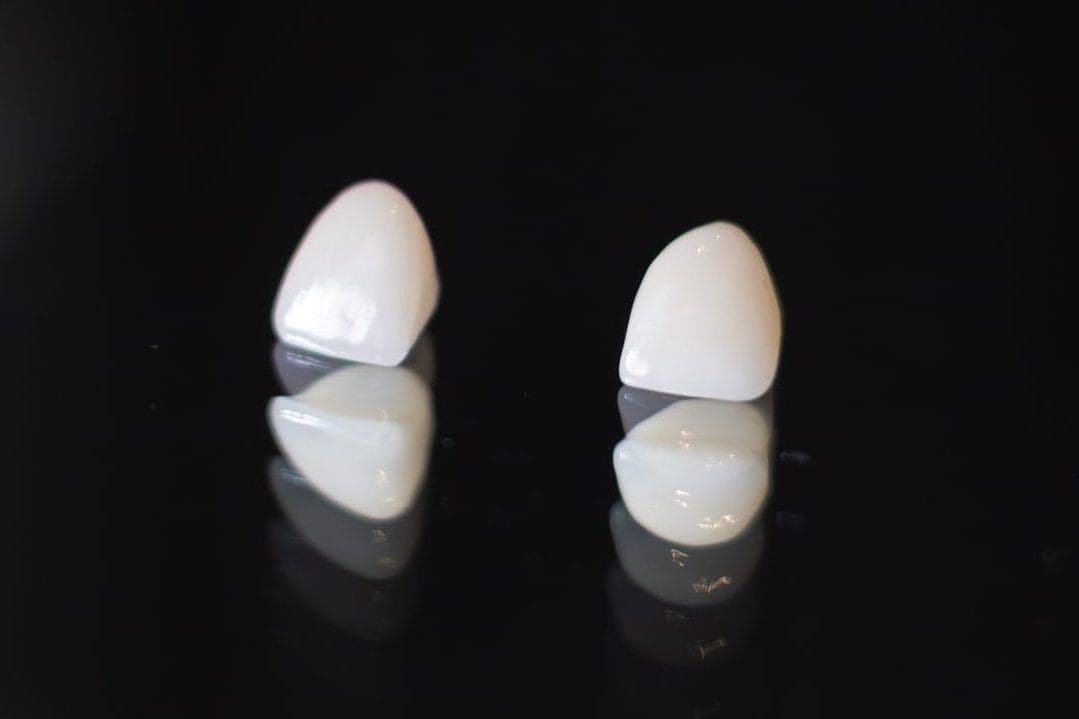
Today, dentists replace most mercury fillings with tooth-coloured materials:
- Composite fillings: a tooth-coloured resin that bonds to your tooth. They suit small and medium fillings. Read more about composite fillings.
- Ceramic inlays and onlays: a custom-made restoration for a tooth that a large filling has weakened.
- Crowns: for teeth that are heavily filled or cracked. See our page on crowns, inlays and onlays.
Your dentist will explain which option suits each tooth. For example, a large old filling may leave too little tooth for a simple white filling, so an onlay may protect it better. Amalgam can also outlast some alternatives in very large fillings, so we will talk you through the trade-offs honestly.
After any new filling, your bite can feel different for a few days. If it still feels high after that, read our guide on what to do if a filling feels high.
Amalgam-Free at Integrated Dentalcare Since 1990
We stopped placing amalgam fillings in 1990, and we have used mercury-free materials ever since. As a result, many patients come to us to talk about replacing older fillings. If you are unsure whether your fillings need attention, our dental team can check them and explain your options, with no pressure to go ahead.
Mercury Fillings: Frequently Asked Questions
Are mercury fillings banned in the UK?
No, not for adults in Great Britain. Since 2018, dentists should not use them for children under 15 or for pregnant or breastfeeding women, unless it is strictly necessary. Countries have now agreed a global phase-out by 2034.
When will mercury fillings stop being used in Scotland?
There is no separate Scottish ban date. However, under the 2034 global agreement, countries will stop making, importing and exporting dental amalgam after that year. So dentists in Scotland should stop using it by then.
Do I need to replace my silver fillings before 2034?
No. The phase-out applies to new fillings. Your existing fillings can stay where they are, as long as they are in good condition.
Do children still get mercury fillings?
Not usually. Since July 2018, dentists should not use amalgam for baby teeth or for children under 15, unless it is strictly necessary for medical reasons.
Are white fillings as strong as mercury fillings?
Modern composites work well for most small and medium fillings. For larger fillings, a ceramic inlay or onlay is often the stronger choice. Your dentist will suggest the right option for each tooth.
Do root canal materials contain mercury?
This is a common question. We answer it in our article on whether root canal materials contain mercury.
What to Remember
Countries are phasing out mercury fillings, mainly to protect the environment. However, the ban does not mean your current fillings must come out. If a filling is damaged, or you would simply prefer a mercury-free option, talk to a dentist who uses protective removal measures.
Integrated Dentalcare is a fully private dental practice at 1 Manor Place, Edinburgh. To ask about your fillings, contact our team or call 0131 225 9093.
Treatment is subject to assessment and may not be suitable for everyone. Individual results vary.
Sources
- Regulation (EU) 2017/852, Article 10: Dental amalgam (UK version), legislation.gov.uk
- Restricting the Use of Dental Amalgam in Specific Patient Groups, Scottish Dental Clinical Effectiveness Programme, 2018
- Minamata Convention decision on phasing out amalgam, British Dental Association, November 2025
- Countries agree to end mercury fillings by 2034, Scottish Dental Magazine, November 2025
- Amalgam dental fillings: action plan, Scottish Government
- FDA Issues Recommendations for Certain High-Risk Groups Regarding Mercury-Containing Dental Amalgam, US Food and Drug Administration, September 2020
- Safe Mercury Amalgam Removal Technique (SMART), IAOMT