We Are Accepting New Patients  -  Proactive, Personalised Dentistry  -  Implants & Mercury-Free Care in Edinburgh

Category: Uncategorised

  • Advantages of Laser Dentistry

    Advantages of Laser Dentistry

    Laser Dentistry has many advantages, not least the absence of pain writes Jake Harris.

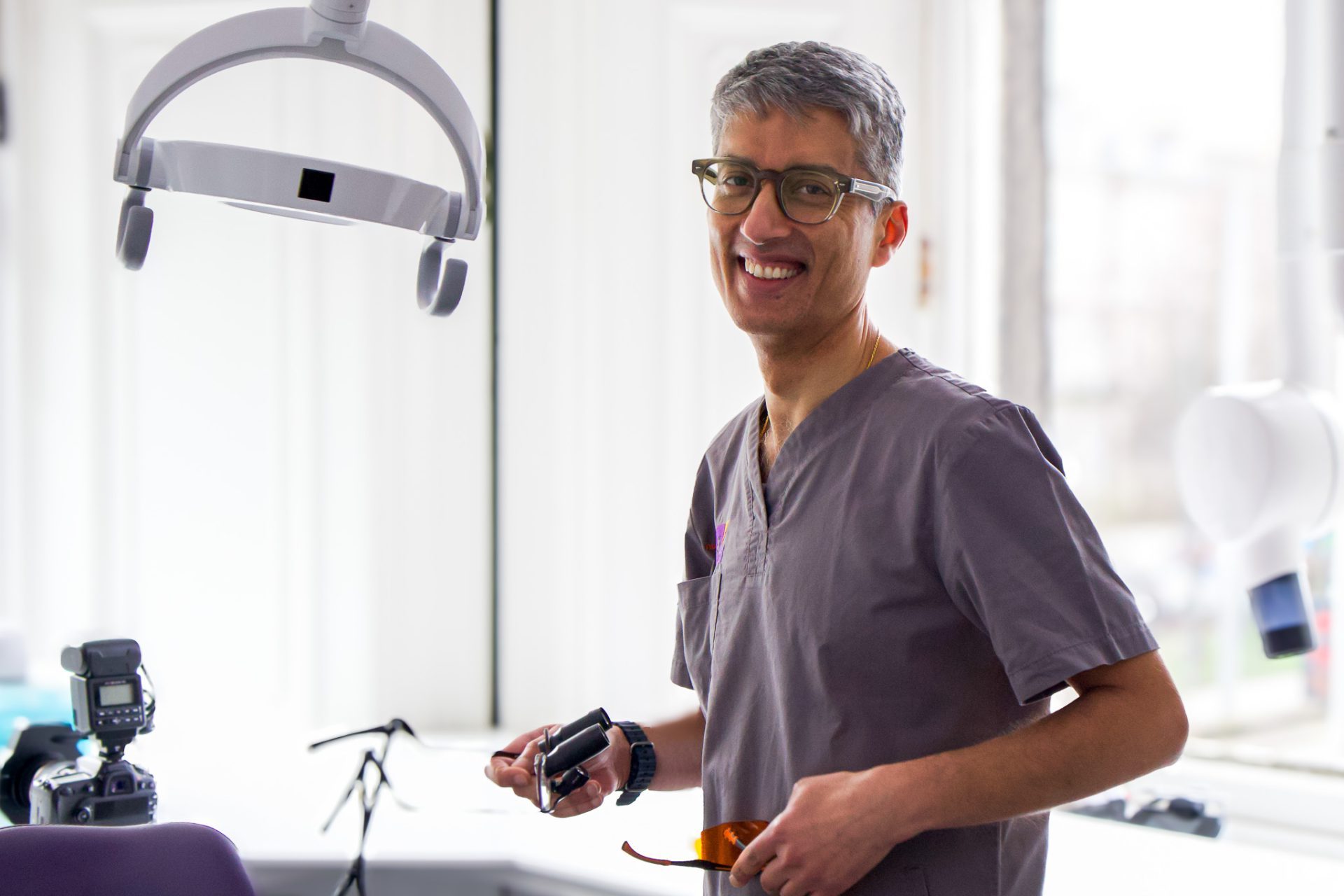
    Laser Love like interest free credit or a barbecue summer, pain-free dentistry sounds too good to be true. The last thing I expected when I popped in to investigate Integrated Dentalcare’s optimistic cliam was to be put in the dreaded hotseat myself to test out this laser procedure, new to Scotland.

    Being that special grade of wuss who winces at removing a plaster I had my reservations, but Dr Neeraj Puri tackled these by scoring a tiny circle on my palm to prove its benign magic. (For even bigger children he turns this into a smiley face).

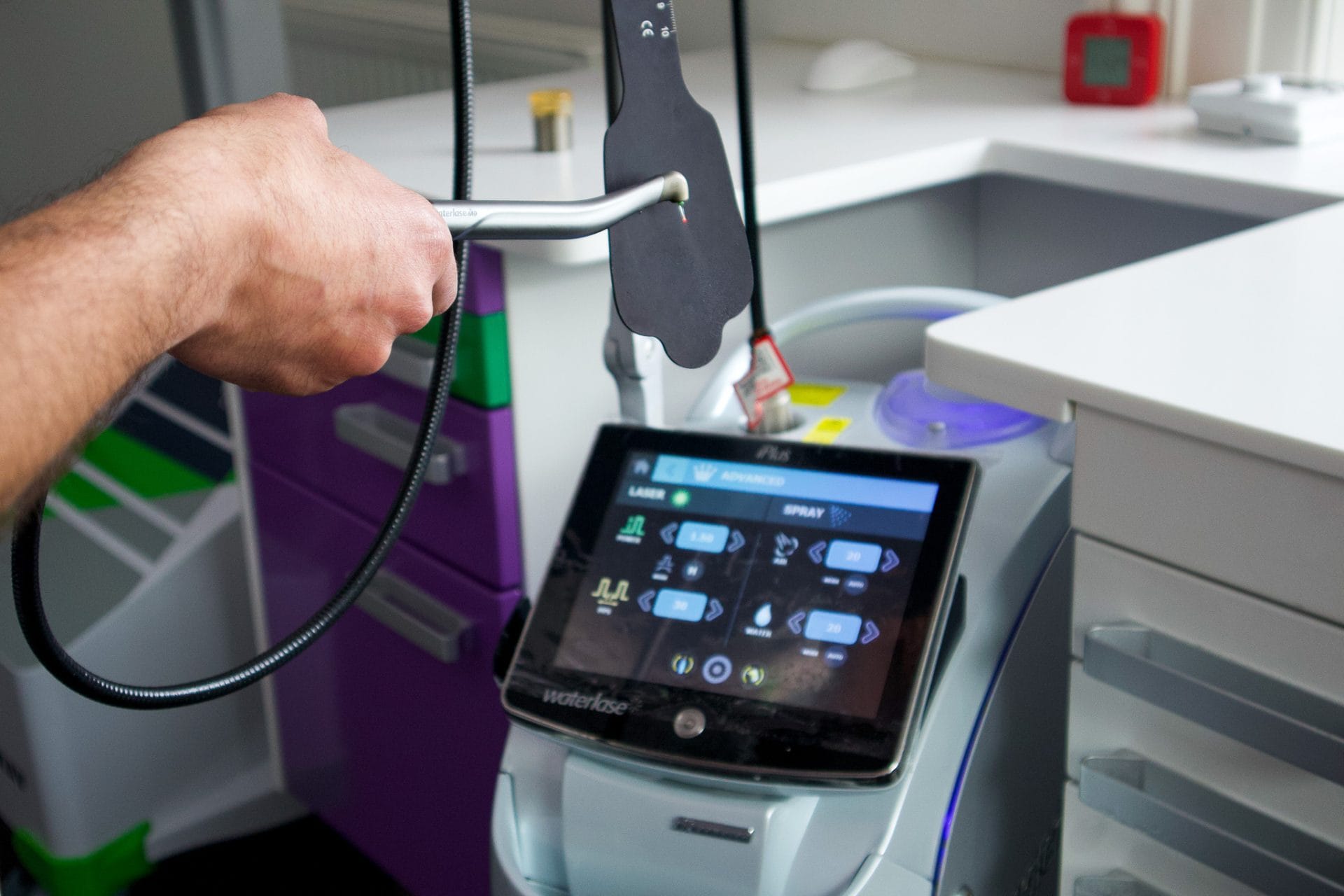
    Okay, so far so good, but we all know how sensitive our teeth and gums are, but Neeraj wasted no time in getting down to business with my small filling. No anaesthetic and subsequent awkward small talk while your mouth swiftly bloats to rubber dinghy proportions. In goes the water gob hoover, and out comes the laser, like a tiny red blowtorch, held steady for around 90 seconds. The fear factor of that whining drill is banished, replaced by a less dramatic rhythmic clicking like the sound of a gas hob lighter. And so the job was done with no blood, no rinsing, no numbness and very little evidence that I’d even been to the dentist.

    Here comes the science bit: the dentistry combines laser energy and water to provide gentler, more precise treatment that conserves healthy tooth structure, minimising pain and discomfort.

    The laser reacts with water molecules to create a serrated effect, while releasing endorphins which actually raise your pain barrier.

    Water laser treatment eliminates the heat and vibration which causes the discomfort you get from drilling, but it also sterilises as it cuts, leaving less chance for bacterial contamination.

    The laser’s pinpoint accuracy enables the dentist to leave as much healthy tooth structure in place as possible, allowing you to keep your own teeth longer. Because of the precision involved, procedures that once took several appointments to complete, such as multiple fillings, can now be finished in a single visit.
    ‍

  • No Pain, Just Dental Gains

    No Pain, Just Dental Gains

    A DENTIST surgery in the Capital has launched what it calls the first pain-free treatment in Scotland. Integrated Dentalcare, based in the city centre, has brought in a technology used in Hollywood called water laser treatment.

    It means the practice’s 1000-plus patients will be able to access the care, which completely numbs the tooth and the area around it, making it entirely painless.

    Dental practitioner Neeraj Puri said: “We see water laser treatment as a fantastic way of taking the fear and discomfort out of going to the dentist. The treatment makes your tooth feel drowsy which allows us to work on it without any discomfort.

    “We definitely believe it is worth the £60,000 investment we have made in it.”

    Read No pain, just dental gains online article in the Scotsman.

  • What is Laser Dentistry?

    What is Laser Dentistry?

    What is Laser Dentistry?

    In simple terms it is a process involving the use of a dental laser, used in both dentistry clinics and in oral surgery. These were first approved for use in the 1990s, both in terms of use on gums and on bone for operations.

    How it Works

    The idea is that the laser uses a narrow and intense beam of light. The light can shape or remove tissue. They may be used on their own or in conjunction with other tools in order to do effective dental work. For cosmetic dentists it can speed up the teeth whitening process while maintaining accuracy.

    People often associate dentistry with pain and it is often something that makes them hesitant to visit the dentist and ironically often make problems worse and have a negative impact on their oral health. However dental lasers can be used to reduce the pain people experience in their mouths thanks to problems such as cold sores or cankers. It can also be used to remove muscle attachment that can restrict facial movement or clear away tissue that can become overgrown after taking certain types of medication.

    It is also worth remembering that dentistry is not restricted to the treatment of teeth. Gum disease is a very real problem and it is not always as easy to detect as problems with the teeth. Dental lasers can be used to aid this treatment and reduce a lot of the long term problems that occur with damaged gums such as gingivitis.

    Benefits

    The major benefit of using a laser is precision, allowing for more accurate treatment. This precision in turn allows for quicker and more relaxed treatments as there is less need for drills or anaesthetic. Treatments using lasers also tend to heal quicker than more traditional treatments as well and can reduce the amount of bleeding during surgical procedures, all of which quicken the process but also reduce a lot of the things that can make people feel anxious during dental treatment.

    In simple terms dental lasers are a tool that needed to be handled carefully in much the same way as a dentist handling drills or specialist deep cleaning equipment. When handled in the right way they are perfectly safe to use. As with any professional it is worth asking about the level of their experience and if they are qualified to use a dental laser. Furthermore they ought to provide eyewear in order to keep your eyes safe from the bright intensity of the laser.

    Getting the Best Service

    What is laser dentistry? Ultimately it is another thing that dentists can use to improve the quality of their work. If you want to know more about whether or not your dentist uses them and how qualified they are to use them it is worth discussing with them directly. Most dentists will be happy to talk to you about their methods in order to reassure you and it is often possible to book a consultation before you need to get any work done.

    Remember to look out for

    • Relevant qualifications
    • Quality of service
    • Experience
    • Positive feedback
  • Affordable Dentistry during the Economic Downturn

    Affordable Dentistry during the Economic Downturn

    As patients’ financial anxieties arise the stress is leading them to defer dental appointments and treatment, with one in four adults opting to delay treatment due to costs.  The economic downturn is one of the main culprits, with the recession obliging patients to stay away from the dentist. However, achieving short-term money savings at the expense of longer-term health problems really isn’t wise.

    Preventive dentistry delivered on a regular basis greatly reduces the risk of dental disease and provides a platform for a lifetime of improved oral health.  With this in mind we have our Payment Plan to reward loyal patients, keeping them dentally fit and reducing the need for future treatment.

    Patients don’t have to be considered dentally fit to join the plan which covers regular dental health examinations and hygienist appointments each year, with the added benefit of the 10% discount on additional treatment. This will save patients a considerable amount of money in the future.

    While we already had a loyal patient base, our dental plan also builds patient loyalty.  Having a payment plan makes patients feel that their interests are being looked after, and that they are being provided with a means of budgeting for their oral care which they can then access on a regular basis.

    We became aware that patients would come in for a dental check-up but then wouldn’t take up the option of a hygiene visit, unusual behaviour for our patients and obviously due to external factors.  One reason behind this is most likely the current economic downturn. We needed a mechanism to help encourage regular attendance and a payment plan seemed like an ideal solution.

    – Integrated Dentalcare Team

  • Things to Consider When Getting Dental Implants

    Things to Consider When Getting Dental Implants

    A number of people need to wear dentures and they are not always comfortable. A common complaint is that dentures can come loose, making it harder to chew or in some cases even smile or speak! One way of correcting this is with dental implants and it is worth knowing what to consider when getting dental implants.

    Adhesives versus implants

    It can be tempting to counter this by saying there are numerous adhesives on the market that can hold dentures in place without the need for implants. There are several responses to this. One is that adhesives vary in effectiveness and some will be stronger than others. Another reason is that people often find it a nuisance to continually apply adhesives every day.

    Another thing that puts people off is the cost of implant treatment. However as with any kind of treatment the cost can vary. One more affordable form of treatment is denture stabilisation. This uses fewer implants and this helps to reduce the costs involved. Generally two implants are recommended on the lower jaw and four implants on the upper jaw. The procedure rarely takes longer than an hour and so should not take too much time out of your busy schedule!

    Things to consider

    It is always good to have a checklist of things to think about when comparing dental services.

    • Initial consultation
    • Clear quote
    • Ask any relevant questions
    • Certification and experience
    • Feedback

    Most dentists offering this treatment also ought to offer a consultation beforehand. This will allow you to discuss what requirements you have and what implants are most appropriate for your needs and personal circumstances.

    You also need to consider how long the dental practice has been established and the experience of the practitioners. They should be able to provide certification showing that they have the experience necessary in order to fit the implants as required. If they are members of a professional association this is often a good indication of quality service as well.

    A common concern for people is whether or not the implant procedure will hurt. It is often compared to a filling with the numbness being relatively pain free. There may be some soreness and swelling but it will often go down after about a day. If the soreness or swelling continues after that you ought to talk with your dentist to see if you need any additional treatment.

    Insurance is also something people worry about and how long the implants are guaranteed for. A dentist should specify the period of time they are covered for although a number of implants should last a lifetime they are looked after correctly. While a number may provide free fittings for the first twelve months this does depend on a number of conditions. For example if you smoke you will be expected to stop as this can cause damage.

    Finding the best

    In short what to consider when getting dental implants is the quality of the dentist, their level of experience and the guarantees and insurance that come with the service. Careful consideration and asking the right questions will allow you to get the best quality implants to give you freedom to eat, speak and smile without the fear of something coming loose!

  • Tips for Getting Cosmetic Dentistry

    Tips for Getting Cosmetic Dentistry

    Cosmetic dentistry in Edinburgh is something that can help boost people’s self confidence. However as with any service there are people who can offer excellent service and those that don’t. With these tips for getting cosmetic dentistry you can be sure of getting the best service by experienced professionals.

    The Process

    The first thing to do is to ask for an initial consultation. This ought to let you know about their professional background and examples of their work. It is very important to ensure that the pictures you are looking at are actual examples of their dentistry and not case studies showing examples of the kind of work you could get.

    Another thing to consider is that a dentist may not be someone who physically does the work. Usually a dentist will look over your teeth and come up with the idea of how to create the new look. The person who does the physical work is usually the ceramicist. Therefore you need to make sure that the ceramicist is experienced and discuss the work you want done with them as well. Often this is compared to architecture, with the dentist as the architect doing the designing and the ceramicist doing the construction.

    Education Education Education

    It is also recommended that you look at the amount of training that the dentist has done. The best cosmetic dentists will go on advanced courses annually in order to continue their education and ensure the best possible quality of service. Ideally you want people with the most recent cosmetic dentistry credentials possible based on formal training. While there is no official title that clearly indicate someone as a professional cosmetic practitioner so you do need to be wary and do your research about where they trained and how it is perceived.

    Bizarrely it is also worth asking if the cosmetic dentist or ceramicist has an interest in art. This may sound odd but a lot of cosmetic dental practitioners have this creative side. As the name suggests this practise is about people looking better so it helps to have someone who has a visual aesthetic. While technical prowess is important cosmetic dentistry is also about creating a great image too.

    Experience is also a vital consideration. It is generally felt that five to ten years of practise is a good amount in terms of reconstructive dentistry. Some practitioners are also willing to provide testimonials from satisfied clients and in some cases may even be willing to let you contact them independently. This is ideal as you can ask them questions and get their views on the quality of their work as well as being able to inspect it in person!

    Feedback

    As a broad overview in order to get the best dentistry consider these factors-

    • Education
    • Experience
    • Artistry
    • Feedback (reviews and testimonials)

    Finally a good way to compare what is available in your local area is to look for online reviews. There are numerous sites where you can read what is available and the quality. It is worth considering the source of the review and reading as broad a range as possible. Look for specific details such as the quality of the veneer. With these tips for getting cosmetic dentistry you can find the ideal service to suit your needs.

    ‍

  • How To Overcome Fear of the Dentist

    How To Overcome Fear of the Dentist

    Regular dental checkups are vital to health. It is not just about making sure your teeth are in the best condition although that is very important too! When your dentist checks your gums they can also look for the signs of some conditions such as mouth cancer. Unfortunately a lot of people avoid dental appointments because they are scared and ironically avoiding these delayed or missed appointments can make their oral health suffer. This is why it is vital to learn how to overcome fear of the dentist.

    You can divide coping techniques into these broad categories-

    • Positive attitude
    • Discussion
    • Relaxation and tension relieving techniques
    • Reward

    A mixture of these techniques is often the best way and we will show you how to get the most from them in order to make going to the dentist a more pleasant experience.

    Dentists are people too

    One of the big problems is that films often depict dentists as villains. Even in comedies and cartoons they are still shown as cold, scary looking figures, even when this is done for comic effect. The first way to get over the fear is to remember that dentists are not faceless torturers. Often they are friendly and helpful people who do all they can to help their patients relax.

    Another reason that people are often afraid is if they had a difficult time when they were a child. Admittedly this is also true of haircuts, accidents, dogs and any number of fears that are largely irrational. If you do have concerns it is worth discussing them with your dentist as they are often trained to deal with anxiety to make it easier for patients to get the treatment they need.

    One way of doing this is to meet with your dentist before you are due to get a deep clean, root canal or check up. Knowing more about them and talking to them will remove that feeling of disconnection as you can have more faith in the person treating you.

    Easing tension

    An area where people often experience the most anxiety is the waiting room. Fortunately it can be quite simple to make this experience easier. Bringing your own books, music and so forth can allow you to feel a bit more comfortable. Some people use stress balls as a method of clearing their mind of anxiety but ultimately you need to find the method that works best for you.

    Reward

    One technique that people use in order to deflect negative associations with going to the dentist is to book something fun to do afterwards. If you have children this can be something like a trip to the park or going bowling. Focusing on something exciting that you will do afterwards can make it a lot easier to deal with the fear of the event itself.

    A Positive Experience

    Finally the best way to learn how to overcome your fear of the dentist is to not view it in negative terms. The dentist is just doing their job ensuring you have the best oral health. As with any service if you find the best ones they will ensure your teeth and gums are in the best possible condition and will do their utmost to make you feel better going out then you did coming in! Look online to find more information about dentists in your local area as well as more relaxation techniques and coping strategies.

  • Do All Root-Treated Teeth Need Crowns?

    Do All Root-Treated Teeth Need Crowns?

    Not every tooth with root canal filling needs a crown. Front teeth and cheek teeth like pre-molars are generally okay with a good white filling material placed unless there’s been a terrible breakdown of the body of the tooth.

    Inlays and onlays are necessary to fix the big chewers or the molar teeth at the back. Root canal procedure by itself doesn’t weaken the tooth that much. It’s estimated to cause about 3% reduction in the strength of the tooth. However, teeth that require root canal filling often have very large cavities in them.

    If you then take another 3% as the reduction of strength in the tooth, as a result of loss of tooth structure, then you only have half the strength of the tooth left. The risk then is that by chewing all the time and cleansing our teeth at night, we get a vertical fracture running through the root. If this happens, the tooth is lost.

    To prevent that, we usually recommend you have what we call the cusp coverage restoration. It doesn’t have to be a crown; it can be an onlay with some gold pasted on top of the tooth, or it can be a full coverage tooth coloured crown if you want to have aesthetics.

    You want something to hold the tooth together like the metal straps of a wooden barrel, so if you chew hard food or sleep after cleansing your teeth, you don’t have this destructive separating force going down through the tooth.

  • Are Dead Teeth Harmful to General Health?

    Are Dead Teeth Harmful to General Health?

    People worry about the presence of infection within their body and so they should. Root canal treated teeth are not dead teeth. The tooth consists of three major structures: firstly, the hard tissue, the enamel of the teeth – that’s the bit you see at the top and the bit that forms the root. Inside we have the pulp; that’s the problem area, that’s where the nerves lie, that’s the bit that does the blood supply and that’s where infection sets in causing you to need root canal treatment. On the other side of the root is an organ called periodontal membrane or periodontal ligament. If the periodontal membrane becomes infected and gets lost due to periodontal disease, or through infection from within the tooth, then the tooth will be shed and your body will not tolerate infection.

    So root canal treatment is aimed at maintaining the health of the periodontal ligament or membrane. How we do this is, we remove the infected dead tissue from inside the tooth. Also, the dead tissue is actually not the cause of the problem. Sterile dead nerve tissue does not cause infection. Bacteria causes infection. So if we get in to do a root canal treatment, we take away all that nerve tissue, all the old blood vessels, broken nerve tissue and the infection, sterilize that part of the inside of the tooth and seal it so bacteria can’t penetrate it again. The periodontal membrane remains intact. It stays alive, your tooth is retained and your body does not recognize any problem with it.

    Where the body does recognize a problem is if it is inadequately cleaned out. If the bacteria persists within the system, then they will cause a localised inflammatory response and that’s what we call an abscess or a chronic periapical area. The body wants to get in and kill that infection but it can’t. The white blood cells cannot penetrate so they stay around the tooth. You see bone loss on X ray around that tooth, typically at the end of the root and that’s caused by leakage of toxins from within the tooth into the area. They trigger an immune response which your body deals with.

    Several people have claimed that dead teeth can give rise to various bacteria. There is no scientifically evolved evidence to support that. Secondly, bacteria leak into our bodies all day, every day. The most common route for bacteria to enter our bodies is through our gums. As we floss our teeth, brush our teeth and even as we chew, bacteria are pushing in through the tiny crevices between the gum and the root. And when they get pushed in there, some of them enter our blood stream. After a meal or after brushing, studies have shown the level of bacteria to be elevated in the blood stream. But the blood stream is a hostile environment for bugs. Bugs don’t last, so when they enter the blood stream, they are mumped up by white blood cells. Even if the root canal treatment is inadequately done, there’s a finite resource of bacteria within the tooth.

  • Why Visit an Experienced Root Canal Dentist?

    Why Visit an Experienced Root Canal Dentist?

    I work regularly with patients who were referred to me by local colleagues. Sometimes, when I carry a root canal procedure, the patient wonders why their own dentist couldn’t have done it, because it seems straightforward. And I have to be very careful in explaining to them so it does not reflect badly on their dentist.

    I see different cases every day. I have years of post-graduate education and years of experience. So for me, what is a huge challenge to some dentists is run of the mill by and large for me. All dentists are trained as undergraduates in root canal treatment. However, not all root canal treatments are straightforward. As science has progressed, and ways to treat root canal problems has progressed, it’s become a fact that not every dentist can handle every case.

    Now, many dentists go on and choose to specialize or do further training in endodontics. So if your dentist sends you over to see someone else who is more experienced, that doesn’t reflect badly on your dentist. It just means that they have chosen to give you a better option for a better treatment for your root canal.

  • Why Do Teeth Turn Black?

    Why Do Teeth Turn Black?

    How can we deal with this? If you have a dark tooth that’s caused by an inadequate root canal treatment, the first thing to do is to replace the root canal treatment, disinfect and remove all the bacteria.

    The staining outside the teeth will resolve partially by removing the bacteria. If you cut back the root canal and seal it off, and leave a cavity within the tooth, we can seal in a bleaching agent called sodium perborate.

    This can be sealed in for five days or two weeks. And over this time, the dark pigments are oxidized and destroyed. Another way of doing that is to leave the back of the tooth open with adequate seal and wear a bleaching tray. This can happen very quickly, say in a day or two.

    But one of the common ways to do this is to place sodium perborate within the tooth and it will all happen over two weeks.

  • Why Does Good Treatment Cost So Much?

    Why Does Good Treatment Cost So Much?

    The cost for root canal treatments reflect the time that we spend to do it. Root canal treatment cannot be compared to filling. I will never compare it to a filling, because some people will say, “This filling cost me so much, why does a root canal cost me this”.

    Root canal treatments require thorough cleaning of the root canal system which is a complex web of canals with inner roots themselves. It’s not just one tube. To do this, we use very fine instruments which will all have to be destroyed, because we are contacting nerve tissue there, and when these instruments touch the human nerve tissue, there is a risk of transferring VCJD.

    They have to go every time; they are costly enough as they are. But the main cost is time. If you cut down on the time, you will cut down on the cost. That’s a given. However, if you cut down on the time, you will remove time from being thorough in the procedure.

    So we like to dedicate enough time to ensure we do root canal treatments to the very best of our abilities and to the very highest standards available. That’s reflected in the cost of every root canal procedure.

  • Why Keep the Tooth Rather Than Have it Extracted?

    Why Keep the Tooth Rather Than Have it Extracted?

    We are all meant to have 28 functional teeth in our mouth. If we lose a bad tooth, that’s not the end of the world. Some people may opt to have the tooth extracted; however, for every tooth you lose, you also the function of the tooth that opposes it.

    So, if you lose a back tooth, the lower, upper or penultimate tooth will no longer support you, but the middle teeth will have more work to do. The loss of one or two teeth is not going to make a big difference, but over time, as fewer and fewer teeth are left behind, we end up with the smaller teeth doing more work, and that’s when we start to see teeth fractured.

    So I would always advise any patient to save the tooth, as it is more practical, rather than have it extracted. If you do lose the tooth, we have implants available nowadays. But why have an implant when you can save your own natural tooth? Why go for a surgical procedure to replace a tooth that you can save in the first place?

  • Do Root Canal Materials Contain Mercury?

    Do Root Canal Materials Contain Mercury?

    Root filling material contains no mercury. This is a confusion between amalgam and root filling material usually caused by the term ‘filling’. It’s not exactly the same.

    The most common material used is gutta-percha. Gutta-percha is 70% zinc oxide and 30% tabum gum, which is the resin from the tabum tree. Other materials exist like resins; however, they are pretty new to the scene. Gutta-percha works.

    It has forty years plus of history behind it, and studies have been done extensively over the years and over the world to show that it works. I have used gutta-percha in almost every circumstance, and until these new materials prove themselves in the way gutta-percha has proved itself, I’m sticking with gutta-percha.

  • Is Root Canal Treatment Painful?

    Is Root Canal Treatment Painful?

    The concept of root canal treatment as a painful procedure largely stems from the fact that people who require root canal treatment are quite often, but not always, in pain. Also, if you watch too much of media, in the American movies, people who don’t want to do something, say, “I’d rather have a root canal treatment”.

    Nobody wants to have a complex and intricate dental procedure carried out; however, root canal treatment is aimed at the alleviation of pain. People who come to me requiring root canal treatment are frequently in some level of discomfort and, quite often, in a lot of pain. What I do is, administer a local anaesthetic, make sure they are completely numb, and then I go ahead and treat the problem – be that to remove an inflamed nerve which is causing throbbing pain or to start the treatment for an infection which is causing an abscess. Now, in the case of an inflamed nerve, that treats you again for the pain, because if I remove the source of the pain, then the discomfort afterwards is largely done. In the case of infections and abscess, it may take some time for the treatment to take effect. But this is the body’s natural healing process. And once we start that, the pain will die over the next day or so – possibly two or three days in case of very severe infections. But root canal treatment, by itself, should not be painful.

    I myself have had a root canal, and the reason I became a dentist was back in the 80s, when I was in school, away from home, playing rugby. I spent a night walking the floors of the place I would stay, with agony in my lower left jaw. The next day I was taken to a dentist in Blackrock, in Dublin, as it happened. I walked through his door in pain. He talked to me, reassured me, gave me an injection that took away the pain, and started the root canal treatment. That was the end of the pain. That’s 27 years ago and I’ve never had discomfort in my tooth since.

  • Coconut Oil Pulling

    Coconut Oil Pulling

    As part of your dental health check we are interested in what you use to clean your mouth.

    We have noticed that coconut oil pulling is gaining popularity. Used primarily in Ayurvedic medicine oil pulling is an oral detoxification procedure that is simply done by swishing a tablespoon of oil around your mouth for 10-20 minutes. Most bacteria inhabiting the mouth are single cell microorganisms. Cells are covered with a lipid (fatty) membrane which is the cells skin. When these cells come into contact with oil ‘a fat’ they naturally adhere to each other.

    It is still important to remove plaque very thoroughly twice daily using a fluoride toothpaste preferably with an oscillating electric toothbrush.

    When you visit our hygienist she will demonstrate your own bespoke programme of interdental cleaning using brushes, floss, tape etc. Fluoride helps prevent tooth decay by making the teeth more resistant to acid attacks form plaque bacteria and sugars the mouth. It also reverses early decay.

    Coconut oil pulling lessens the bacteria load in the mouth however it does not have the remineralisation benefits of fluoride. We support coconut oil pulling as an adjunct to the oral hygiene routine as recommended by your dental team at Integrated Dentalcare.

  • West End BID’s Health, Beauty and Wellbeing Celebration – Exclusive Offer

    West End BID’s Health, Beauty and Wellbeing Celebration – Exclusive Offer

    At Integrated Dentalcare we want you to experience dentistry a little bit differently than everyone else. Our friendly and supportive team enjoy getting to know our clients, providing extra reassurance and support to those who may feel a little nervous!

    Centred around you, the client, Dr Neeraj Puri and Dr Christine Morrell, together with their experienced team, are able to offer routine preventive care right through to more complex treatments such as dental implants and cosmetic changes.

    Please have a browse through the Practice website where you will find comments from clients who have experienced the difference that the team at Integrated Dentalcare can deliver.

    To celebrate Health, Beauty and Wellbeing in Edinburgh’s West End, we’re inviting you to come and take a close look with some exclusive promotions:

    Complimentary Consultation for New Patients

    An exclusive opportunity for patients who have been thinking about having cosmetic or restorative dentistry to see the practice, meet the team and discuss their concerns and requirements.

    Airflow Polish Promotion – Special price of £42 (normally £70)

    Experience a brighter, whiter smile, banish tooth stains and help keep your mouth in tip top condition! The Airflow Polish treatment delivers a wonderful jet clean to your teeth, giving you an instantly brighter, whiter smile.

    Complimentary Consultation and Airflow Polish Promotion are both available until 31st March 2018. Call our team on 0131 225 9093 to arrange your visit!

  • Whole Body Health

    Whole Body Health

    Without good periodontal (gum) health, there cannot be good general health. You can spend all day at the gym. You can have the best organic/ raw food/ juicing diet but gum disease unless controlled and treated in your mouth (the opening to the rest of your body) may have an impact on the rest of your health.

    Current research on Periodontal disease points to auto immune links to the disease. In a recent course that I attend it was even described as arthritis of the mouth.

    Systemic links to heart disease, stroke and certain respiratory problems; disruption of diabetic control; for ladies, increased risk of pre-term and low birth weight babies have been studied.

    Research suggests that the bacteria that cause periodontal disease can pass through saliva. This means the common contact of saliva in families puts children and couples at risk for contracting the periodontal disease of another family member. Also, research proves that up to 30% of the population may be genetically susceptible to gum disease. Despite aggressive oral care habits, these people may be six times more likely to develop periodontal disease.

    http://health.nytimes.com/health/guides/disease/periodontitis/print.html

    We have been using laser technology in conjunction with a strict hygienist treatment protocol for many years now. This has increased our understanding and our success in tackling this growing problem.

    To achieve maximum benefit, it is imperative to visit the dentist regularly to increase the chances of early diagnosis. Once diagnosed and after a lengthy discussion with you we would look to suggest the following protocol

    1. Assessment of base line measures, including an in-depth chart and small detailed x-rays looking at each individual area of bone loss. We need to know where we started from to know where we are going.
    2. Advice and help on how to maintain a clean and healthy mouth to increase the changes of a successful outcome.
    3. Gentle but intensive hygienist therapy using special anaesthetic gels to make the process comfortable. This may be done over a number of visits or one visit, depending on your requirements.
    4. Reassessment after a period of healing and homecare.
    5. Further discussion and decision as to continue with hygienist therapy or consider laser therapy.

    Please don’t wait until your teeth start falling out. If you are worried then come and talk to us. Hopefully we can give you some advice if, nothing else.

    ‍

  • Summer 2020 Newsletter

    Summer 2020 Newsletter

    We are re-opening!

    Thank you for bearing with us during this incredibly challenging time. We are delighted to advise you that after many weeks of planning we are able to recommence your dental care on the 16th June, albeit on a restricted basis.

    Your dentists have been triaging seven days a week during the period of lockdown to ensure that you feel supported. Currently, we will prioritise patients with dental pain, swelling and cracked teeth. To minimise waiting times we will offer extended hours.

    What’s next?

    During the current phase of COVID-19 pandemic we can only offer urgent and essential care. Routine care delivery will be re-instated in line with government guidelines. It is important that you do contact us if you have any concerns so that we can help you minimise larger and more expensive issues for the future. In order to resume the provision of your dental care during the current pandemic, in the safest manner possible we have introduced some additional steps to our protocols and client journey.

    Rest assured!

    We would like to reassure you that the provision of dental care in a private dental practice follows very stringent protocols for cross-infection often surpassing many other fields of medical care. Whilst you will be aware that PPE (Personal Protective Equipment) is standard wear for the dental profession, we have upgraded this to mitigate any risk of COVID- 19 transmission. As you would expect from our team, we have exceeded the health care guidelines by investing in dental air purifiers and specialised aerosol removal devices which virtually eliminate aerosols.

    To ensure that your dental journey through the practice is as safe as possible, we have created a stringent protocol which we would be grateful for your adherence.

    The client journey!

    To reduce unnecessary travel not only during the current situation but also for the future we have introduced online consultations using tele-medicine technology. This will allow you to consult with our team in the comfort of your personal space, at your convenience.

    Following the video consultation and provided you are happy with your options we will organise your treatment appointment.

    To accommodate current social distancing guidelines, appointments will   be   offered to minimise contact with other clients. We appreciate your flexibility during this time.

    On arrival at the practice we would ask that you to phone the practice so we may ask some questions around Covid-19.

    Please attend alone unless exceptional circumstances are cited.

    Please travel lightly and avoid bringing large bags or valuables as you will put all your personal belongings in a box prior to your meeting with the team.

    We ask that you try to avoid the use of the practice toilet facilities if possible, to minimise the risk of potential spread.

    As per current guidance we will not be able to accept cash payments but instead will offer you a pre-payment solution.

    Furthermore all information, necessary for your forthcoming visits such as treatment options, medical history forms, and finance options will be delivered electronically to be reviewed at your leisure.

    Moving forward

    Normally, there is a slight annual increase in fees to reflect the rising costs. This year, the fees have been frozen to support our patients. There will, however, be an additional surcharge for visits to cover the costs of the enhanced PPE, which is now a mandatory requirement. We will endeavour to inform you of any additional costs associated with treatments prior to attending your appointment. Please do remember there are finance options available to help you manage a more affordable budget if necessary.

    We would like to take this opportunity to show our heartful gratitude to you to thank you for your continued support and belief in our goal to give you the best dental  care  and  experience possible.

    Warm regards,

    Dr Neeraj Puri, Dr Allan Matthews, Sophie McInnes and your Integrated Dentalcare team.