We Are Accepting New Patients  -  Proactive, Personalised Dentistry  -  Implants & Mercury-Free Care in Edinburgh

Category: Uncategorised

  • Your Smile Makeover Offer That Feels Like a Steal

    Your Smile Makeover Offer That Feels Like a Steal

    Our patients spend £4,617 on a full composite bonding smile makeover. For a short period, you only pay £2,966. We’re including the high-value extras completely free.

    Why? Because those extras aren’t optional—they’re essential for getting the smile you’ll love, trust, and protect long term.

    ⏰ Hurry. Limited Spaces. Ends 31st August 2025.

    What We’re Giving You Free (£1,651 Value)

    These are typically billed separately, but not for you.

    What You’re Actually Paying For

    You pay for results. We gift you the confidence-boosting experience that surrounds it.

    Who This Offer is Perfect For

    • 😐 You’ve looked in the mirror and thought, “I want my smile to look more… polished”
    • 📸 You’ve got photos, events, or new opportunities coming up
    • 😬 You don’t want drilling, pain, or fake-looking results—just a better version of you
    • ⌛ You want a confident smile without wasting weeks on appointments

    This is a private clinic. We only take on a small number of patients each month to give you our full attention.

    We’ll discuss your needs over a phone call and secure your consultation with a £30 refundable deposit. The deposit goes toward your bonding—or is refunded if you attend and decide not to proceed.

    Invest In Your Smile

    This isn’t just any dental work. It’s a calm and discreet upgrade to how you show up in the world.

    No drills. No pressure. No judgment. Just smart, science-backed aesthetic dentistry—designed to make you feel like you again.

    Important Terms:

    • Offer valid until 31st August 2025
    • Must attend consultation and accept treatment before the offer ends
    • £30 deposit required to secure consultation
    • Full payment (£2,966) required before treatment begins
    • Hygiene visit must be completed as part of the bonding process
    • Offer available to new and existing patients
    • Treatment is typically completed in 2–3 visits, bonding in one 4-hour appointment
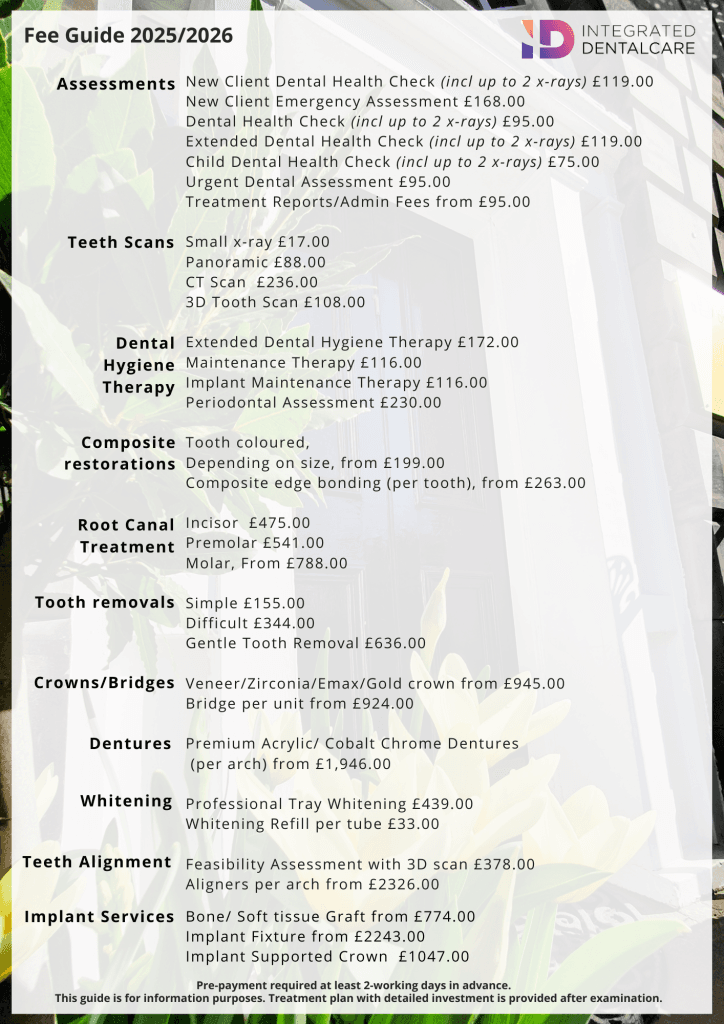
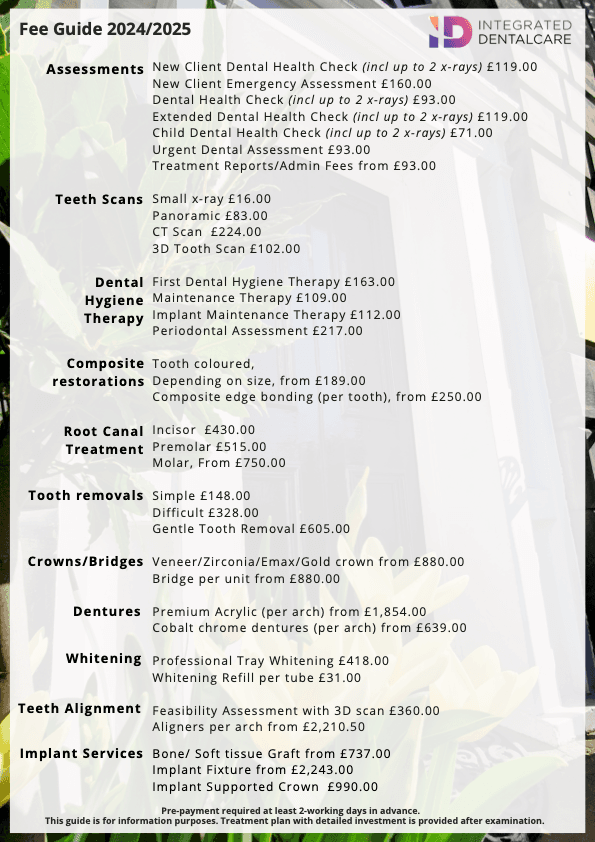
  • Fee Review April 2025

    Fee Review April 2025

    Dear Valued Clients,

    At Integrated Dentalcare, our focus has always been on providing you with the highest standard of dental care in a calm, professional, and welcoming environment. To ensure we continue to offer you the best in modern dentistry — including advanced technologies, high-quality materials, and extended appointment times tailored to your individual needs — we carry out regular reviews of our fees.

    As a result of our latest review, our updated fee structure came into effect on 1st April.

    This adjustment allows us to:

    • Maintain the level of personalised care you deserve
    • Continue investing in cutting-edge equipment and training
    • Support our dedicated team in delivering safe, effective, and comfortable treatment
    • Ensure we offer excellent value for the quality of service provided

    We know that transparency matters to you, which is why we’ve made our revised Fee Guide available for you to view below.

    We understand that any changes in cost may prompt questions, and we’re here to support you. If you’d like to talk through your treatment plan, explore different payment options, or simply ask a question about our services, please don’t hesitate to reach out. Our friendly reception team is always happy to help.

    Thank you for continuing to place your trust in us for your dental care. It means a great deal to our entire team, and we remain committed to making every visit a positive and reassuring experience for you.

    Warm regards,
    The Integrated Dentalcare Team

  • Mouth Cancer Action Month: Early Signs to Watch For and When to Seek Help

    Mouth Cancer Action Month: Early Signs to Watch For and When to Seek Help

    Mouth Cancer Action Month is a vital time to raise awareness about a type of cancer that often goes unnoticed until it’s in advanced stages. Oral cancer affects thousands of people every year, but the good news is that early detection can make a significant difference in treatment outcomes. Knowing the early signs and symptoms is essential for staying proactive about your health.

    Why Early Detection Matters

    Mouth cancer, or oral cancer, can develop in any part of the mouth—on the lips, gums, tongue, or inside the cheeks. Like many cancers, oral cancer is more treatable when caught early. But because symptoms can often seem minor, it’s easy to overlook them or mistake them for something less serious. That’s why recognising the early signs can empower you to take action before it progresses.

    Early Signs of Mouth Cancer to Watch For

    If you notice any of these symptoms, particularly if they persist for more than two weeks, it’s a good idea to consult a healthcare provider:

    • Persistent Mouth Sores: A sore that doesn’t heal on its own after a few weeks may indicate a deeper issue. Unlike common canker sores, cancerous sores are often painless at first.
    • Unexplained Lumps or Thickened Areas: Any lump, rough patch, or thickened tissue in your mouth, neck, or jaw that doesn’t go away could be a cause for concern.
    • Difficulty Swallowing or Chewing: Experiencing pain or a sensation of something being “stuck” in your throat or mouth is another symptom to watch out for, as it could signal a deeper issue.
    • Persistent Hoarseness or Voice Changes: While often overlooked, hoarseness or any significant change in your voice that doesn’t resolve may be linked to oral cancer.
    • Bleeding and Numbness: Unexplained bleeding, numbness, or loss of feeling in areas around your mouth, neck, or face should be assessed by a healthcare provider.

    When to Seek Help

    It’s common to dismiss minor symptoms, especially if they don’t cause immediate pain or discomfort. But, if any of the symptoms above persist for more than two weeks, it’s essential to reach out to a dental or medical professional. Regular dental checkups are an ideal opportunity to discuss any concerns, as dentists are trained to spot early signs of mouth cancer and can help you take the right next steps.

    The Role of Regular Screenings

    Routine oral cancer screenings can catch abnormalities before symptoms even appear. At your visit, a quick examination can help identify anything unusual. Early detection not only increases treatment success rates but also limits the potential for more invasive treatments down the line.

    Take Action This Mouth Cancer Awareness Month

    Knowledge is your best defence against mouth cancer. By being aware of the symptoms and acting quickly, you can protect yourself and those around you. If it’s been a while since your last dental checkup, consider scheduling one soon—prioritising your health today could make all the difference tomorrow.

  • How Lifestyle Choices Impact Your Oral Health: Reducing Your Risk of Mouth Cancer

    How Lifestyle Choices Impact Your Oral Health: Reducing Your Risk of Mouth Cancer

    Your daily lifestyle choices have a powerful impact on your oral health, including your risk of developing mouth cancer. While it may not be top of mind, mouth cancer is a serious and sometimes life-threatening condition that affects thousands every year. However, by being mindful of certain habits and making some key changes, you can take significant steps toward protecting your oral health and lowering your cancer risk.  

    Understanding the Link Between Lifestyle Choices and Mouth Cancer  

    Mouth cancer, also known as oral cancer, can develop on the lips, gums, tongue, or inside the cheeks. While factors like genetics and age play a role, certain lifestyle habits are known to increase the likelihood of developing mouth cancer. The good news? Adopting a few healthier choices can help reduce your risks and support not only your oral health but your overall well-being.  

    Key Lifestyle Factors that Increase Your Risk  

    Understanding the habits and behaviours that contribute to oral cancer is essential for prevention. Here are some major lifestyle factors that can impact your risk:  

    • Tobacco Use: Smoking and other forms of tobacco use, including chewing tobacco and cigars, are among the leading causes of mouth cancer. Tobacco contains harmful chemicals that can damage cells in the mouth, increasing the likelihood of cancer development.  ‍
      • How to Reduce the Risk: Reducing or, ideally, quitting tobacco use is one of the most effective steps you can take to lower your risk. If you need help quitting, support groups, apps, and even professional counselling can make the process easier.  
    • Alcohol Consumption: Excessive alcohol intake is another key risk factor, as it can irritate the cells in your mouth and weaken your body’s immune response, making it harder to ward off abnormal cell growth.
      • ‍How to Reduce the Risk: Limiting alcohol consumption or cutting it out altogether can significantly lower your risk of mouth cancer. For those who drink, moderation is key—consider setting a weekly limit or opting for alcohol-free days to support your health.  
    • Poor Diet: A lack of vitamins and minerals, particularly vitamins A, C, and E, can affect your body’s ability to repair damaged cells and reduce cancer-fighting capacity. Diets low in fruits and vegetables are associated with a higher risk of oral cancers.
      • ‍How to Reduce the Risk: A diet rich in fresh fruits, vegetables, and lean proteins strengthens your body’s natural defenses against cancer. Foods high in antioxidants, like berries, leafy greens, and nuts, are especially beneficial for protecting cell health.

    Other Preventive Actions to Consider  

    Alongside lifestyle changes, here are a few additional steps you can take to support your oral health:  

    • Practice Excellent Oral Hygiene: Brushing twice a day, flossing, and using an antibacterial mouthwash can help keep your mouth clean and reduce inflammation, lowering your risk for various oral diseases, including cancer.  
    • Wear Sun Protection on Your Lips: If you spend time outdoors, remember that your lips are also vulnerable to sun damage, which can increase cancer risk. Lip balms with SPF provide essential protection.  
    • Stay Consistent with Dental Checkups: Regular visits to your dentist ensure that any abnormalities are detected early. Dentists are trained to spot signs of oral cancer, and routine checkups provide peace of mind for catching issues sooner rather than later.  

    Taking Control of Your Oral Health  

    By making intentional choices about tobacco, alcohol, diet, and protective measures, you’re not only reducing your risk of mouth cancer but also supporting your overall health. This Mouth Cancer Action Month, consider the impact of your lifestyle choices and explore small changes that can make a big difference. Preventative action today could protect your future—starting with a visit to your dentist to discuss ways to reduce your risk and stay on top of your oral health.

  • Dental Implants: Choosing Between Zirconia and Titanium Implants

    Dental Implants: Choosing Between Zirconia and Titanium Implants

    If you’re dealing with missing teeth, you may be considering dental implants as a permanent solution. With their natural look, feel, and function, implants are a popular choice for restoring smiles and improving oral health. But did you know there are different types of implants to choose from? At Integrated Dentalcare, we offer both zirconia and titanium implants, each with unique advantages.

    In this blog, we’ll explore what these implants are, how they differ, and how to choose the right option for you.

    What Are Dental Implants?

    Dental implants replace missing teeth by acting as artificial tooth roots. These implants are surgically placed into the jawbone, where they fuse with the bone to provide a sturdy foundation for replacement teeth, such as crowns, bridges, or dentures. But the material of the implant itself can make a difference in terms of performance, comfort, and aesthetics.

    Zirconia vs. Titanium: What’s the Difference?

    While both zirconia and titanium implants achieve the same goal of replacing missing teeth, they differ in material composition, appearance, and certain benefits.

    Titanium Implants

    Titanium has been the gold standard in implant dentistry for decades. Here’s why titanium implants might be right for you:

    • Durability and Strength
      Titanium is known for its exceptional strength and ability to fuse with bone (osseointegration). Once integrated, titanium implants create a strong and long-lasting bond with the jawbone.
    • Two-Part Design
      Titanium implants typically come in a two-part design: the implant body (root) and the abutment (the connector for the crown or restoration). This allows for greater flexibility during implant placement and restoration.
    • Proven Track Record
      Titanium implants have been used successfully in dentistry for over 40 years and have a high success rate. They’re trusted for their reliability and long-term durability.

    Zirconia Implants

    Zirconia implants are a newer alternative to titanium, offering a metal-free solution for clients seeking a different option. Here are the key benefits of zirconia:

    • Metal-Free
      Zirconia implants are entirely metal-free, making them an ideal choice for clients with metal allergies or sensitivities. This feature also appeals to clients seeking holistic or more natural dental treatments.
    • One-Piece Design
      Unlike titanium, zirconia implants typically come in a one-piece design where the implant and abutment are combined. This can reduce the risk of bacterial buildup between the parts, offering improved gum health.
    • Aesthetic Appeal
      Zirconia is a white, ceramic-like material which blends seamlessly with the colour of your natural teeth. For clients with thin or receding gums, zirconia may offer a better aesthetic outcome, as there’s no risk of dark metal showing through the gums.

    Which Implant is Right for You?

    Choosing between titanium and zirconia depends on your individual needs, health, and preferences. Here are a few things to consider:

    • Aesthetic Needs: If you’re concerned about the appearance of metal near your gums or have thin gum tissue, zirconia’s white ceramic material may provide a better aesthetic.
    • Health Concerns: For clients with metal allergies or sensitivities, zirconia offers a hypoallergenic, metal-free solution. On the other hand, titanium is widely used because of its biocompatibility and minimal risk of allergic reactions.
    • Complexity of Your Case: Titanium’s two-part design may be more suitable for complex cases where your dentist needs to adjust the placement of the crown or bridge after the implant has healed. Zirconia’s one-piece design might limit some flexibility but may reduce bacterial risk.

    Ready to Restore Your Smile?

    If you’re considering dental implants, we’re here to help you choose the best option for your health, comfort, and aesthetic preferences. Book your consultation today to learn more about zirconia and titanium implants and find the right solution for your smile.

  • Changes to Clinical Team

    Changes to Clinical Team

    Dear Patient,

    I hope you are well and in good spirits!

    I am writing to inform you about some important changes in our practice.

    Our hygiene therapist, Sophie McInnes, will be leaving our clinic in August. Sophie has been an integral part of our team, providing exceptional care and building strong relationships with our patients. While we are sad to see her go, the team and I wish her all the best in her future endeavours.‍

    “I would like to take this opportunity to pass on my sincerest thank you to each and every one of you. It has been so lovely getting to know you and your families over the past 4 years of working at Integrated Dentalcare and being a part of your dental care. I’m sad to leave, but excited for my next opportunity and wish you all the very best! Take care for now, from Sophie”

    In addition, our dentist, Dr Lawrence Sharkey, will be leaving our practice in September. Dr Lawrence has been a key member of our clinic, and we wish him the very best in his new endeavours.

    We understand that changes in your dental care team can bring about concerns and uncertainty. We want to assure you that your dental health and comfort remain our top priority. In the interim, we have arranged for highly skilled and experienced temporary professionals to cover all appointments:

    • Locum dental therapists: Moon Kazi and others will be with us until we find a permanent replacement who meets our high standards of care.
    • A locum dentist: Dr Chris Fowles, who you may know from our sister practice Inverleith Dentalcare, will cover appointments during the transition period between Dr Lawrence’s departure and the arrival of our new dentist.
    • Our new dentist: Dr Ching Feng Sia, will be joining us in October. Ching is a highly motivated dentist with a special interest in Restorative Dentistry with experience from Dundee Dental Hospital and other private practices. He is dedicated to lifelong learning, expanding his expertise and leveraging his skills to improve patient well-being.

    Rest assured, the level of care and attention you receive will remain consistent. Our locum professionals, along with the rest of our team, are committed to ensuring that your appointments are as smooth and comfortable as always.

    Our reception team is working tirelessly to ensure that we keep your appointments as planned. Please note that if any change to your planned appointments is required, a member of our team will be in touch with you.

    If you have any questions or concerns, please do not hesitate to reach out by email to [email protected] or by giving us a call on 0131 225 9093.

    Thank you for your understanding and continued trust in our practice.

    We look forward to seeing you at your next appointment!

    With warm regards,

    Paulina Kwasniewska

    Practice Manager

  • An Introduction to Cosmetic Dentistry

    An Introduction to Cosmetic Dentistry

    Cosmetic dentistry is a specialised branch of dental care that focuses on enhancing the aesthetic appeal of a person’s smile. While traditional dentistry primarily addresses oral health and hygiene, cosmetic dentistry goes a step further by improving the appearance of teeth, gums, and bites. This branch of dentistry offers various procedures and treatments to help individuals achieve a more attractive smile and boost their confidence.

    The Goal of Cosmetic Dentistry

    The main goal of cosmetic dentistry is to improve the overall look of your smile, often through procedures that can address issues such as tooth discolouration, misalignment, shape, size, and overall appearance. There are numerous cosmetic dentistry options available to address a wide range of dental concerns and provide patients with the smile they desire.

    Some common cosmetic dentistry procedures include teeth whitening, dental veneers, composite bonding, dental implants, crowns, bridges, and orthodontic treatments. Each of these treatments is designed to enhance the aesthetic aspects of a person’s smile. Whether you are looking to improve the colour, shape, alignment, or overall appearance of your teeth, cosmetic dentistry offers tailored solutions to meet your specific needs.

    It’s important to note that while cosmetic dentistry primarily focuses on improving the appearance of teeth, many treatments can also provide functional benefits. For example, dental implants not only restore the look of missing teeth but also improve chewing and speaking abilities. Similarly, orthodontic treatments not only address misaligned teeth but also contribute to better jaw alignment.

    The Cosmetic Treatments We Offer

    At our Edinburgh West End practice, our experienced team offers the following cosmetic treatments:

    ✨ Teeth Alignment: We offer various teeth alignment options, including traditional braces and clear aligners, to straighten your teeth and create a beautifully aligned smile.

    ✨ Composite Bonding: This non-invasive procedure involves applying a tooth-coloured composite resin material to the surface of the teeth to reshape, repair, or enhance their appearance.

    ✨ Porcelain Veneers: Porcelain veneers are an excellent option for transforming your smile. These custom-made, wafer-thin shells are bonded to the front surface of the teeth to improve their appearance and correct issues such as discolouration, gaps, and misalignment.

    ✨ Teeth Whitening: We provide professional teeth whitening treatments to help you achieve a brighter, more radiant smile. Our whitening procedures are safe, effective, and tailored to meet your specific needs.

    ✨ Internal Tooth Whitening: We offer internal tooth whitening to restore the natural colour and vitality of teeth that have darkened after root canal treatment.

    ✨ Stain Removal: Our stain removal treatments can effectively eliminate stubborn stains and discolouration, leaving your teeth looking cleaner and brighter.

    ✨ Crown Lengthening: If you have a “gummy smile” or require more tooth structure for restorative reasons, we offer crown lengthening procedures to adjust the gum and bone levels to expose more of the tooth’s structure.

    ✨ Laser Gum Contouring: Our advanced laser gum contouring treatments can sculpt the gum line to create a more balanced, symmetrical smile.

    Whether you’re looking to improve the alignment, shape, colour, or overall appearance of your teeth, we have the skilled team and treatments to help you achieve the smile of your dreams.

    Contact us today or book your consultation using our online booking system to explore your cosmetic dental options and take the first step towards a more confident and radiant smile.

  • An Introduction To Clear Aligners

    An Introduction To Clear Aligners

    In recent years, clear aligners have revolutionised orthodontic treatment, offering a discreet and convenient way to achieve a straighter smile. If you’re considering orthodontic treatment to improve the alignment of your teeth, clear aligners may be the ideal solution for you.

    What are Clear Aligners?

    Clear aligners are custom-made, removable orthodontic devices designed to gradually shift teeth into the desired position. Unlike traditional braces, clear aligners are made of transparent plastic, making them virtually invisible when worn. They offer a more discreet and comfortable alternative to metal braces, allowing you to straighten your teeth without drawing unnecessary attention to your orthodontic treatment.

    How Do Clear Aligners Work?

    The process begins with a comprehensive consultation with a clinician at our Edinburgh West End practice, who will assess your oral health and discuss your aesthetic goals. If clear aligners are deemed suitable for your needs, a series of custom aligners will be created specifically for you.

    Each set of aligners is worn for a specific duration, typically around 1-2 weeks, before being replaced by the next set in the series. As you progress through the aligners, your teeth gradually shift into the desired position, ultimately leading to a beautifully aligned smile.

    Benefits of Clear Aligners:

    • Discreet Appearance: Clear aligners are virtually invisible when worn, allowing you to undergo orthodontic treatment without feeling self-conscious about your smile.
    • Removability: Unlike traditional braces, clear aligners can be removed for eating, brushing, and flossing, making it easier to maintain good oral hygiene and enjoy your favourite foods throughout treatment.
    • Comfort: Clear aligners are made of smooth, comfortable plastic, eliminating the discomfort often associated with metal braces.
    • Customised Treatment: Each set of clear aligners is custom-made to fit your teeth, ensuring a precise and effective treatment plan.
    • Predictable Results: Before beginning treatment, your orthodontist will provide a detailed plan outlining the anticipated progression of your teeth throughout the treatment process, allowing you to visualise the end result from the outset.

    Are Clear Aligners Right for You?

    Clear aligners are a fantastic option for individuals seeking to improve their teeth’s alignment without the visibility and inconvenience of traditional braces. However, it’s important to consult with an experienced orthodontist to determine if clear aligners are the best option for your specific orthodontic needs.

    In conclusion, clear aligners offer a discreet, comfortable, and effective way to achieve a beautifully aligned smile.

    Book Your Consultation

    If you’re considering orthodontic treatment, be sure to discuss clear aligners with your orthodontist to explore the possibilities of unlocking your best smile.

  • Fee Review May 2024

    Fee Review May 2024

    Dear valued clients,

    Over the past few years, we have made significant investments in our practice, including upgrading our technology and facilities and training our staff. We believe these investments have allowed us to enhance the quality of care we provide our clients.

    As part of our ongoing efforts to deliver the best possible services and invest in skilled clinicians, best quality materials, and top-notch equipment, we periodically review our fee structure. We understand that any fee increase can be a concern, and we want to assure you that we kept the increase to the absolute minimum. This is a necessary measure to help us continue to provide you with the high-quality services you expect from us.

    We want to assure you that our commitment to providing exceptional dental care remains unchanged. Our team is dedicated to helping you achieve optimal dental health, and we will continue to invest in our practice to ensure that we can deliver the best possible care.

    For your reference, we have attached our new pricing guide. Please feel free to review it at your convenience, and do not hesitate to get in touch with us if you have any questions.

    Thank you for choosing our practice for your dental care needs. We look forward to continuing to serve you in the years to come.

    Sincerely,

    Integrated Dentalcare

  • Gentle Tooth Removal with Waterlase and Plasma-Rich Fibrin Technology 

    Gentle Tooth Removal with Waterlase and Plasma-Rich Fibrin Technology 

    At Integrated Dentalcare, we understand that having a tooth removed can be a stressful experience for many individuals. Factors such as discomfort during the removal process, prolonged pain after the extraction, the risk of infection, and slow healing can discourage people from seeking necessary treatment, even in emergencies.

    We strive to provide a comfortable and safe dental experience to alleviate these concerns and ensure that our clients receive the care they need when they need it.

    In this blog, we explore how our Edinburgh West End practice embraces innovative technology and patient-centred approaches to ensure a smoother and more comfortable tooth removal process.

    A Painless Tooth Removal with Laser Light Technology

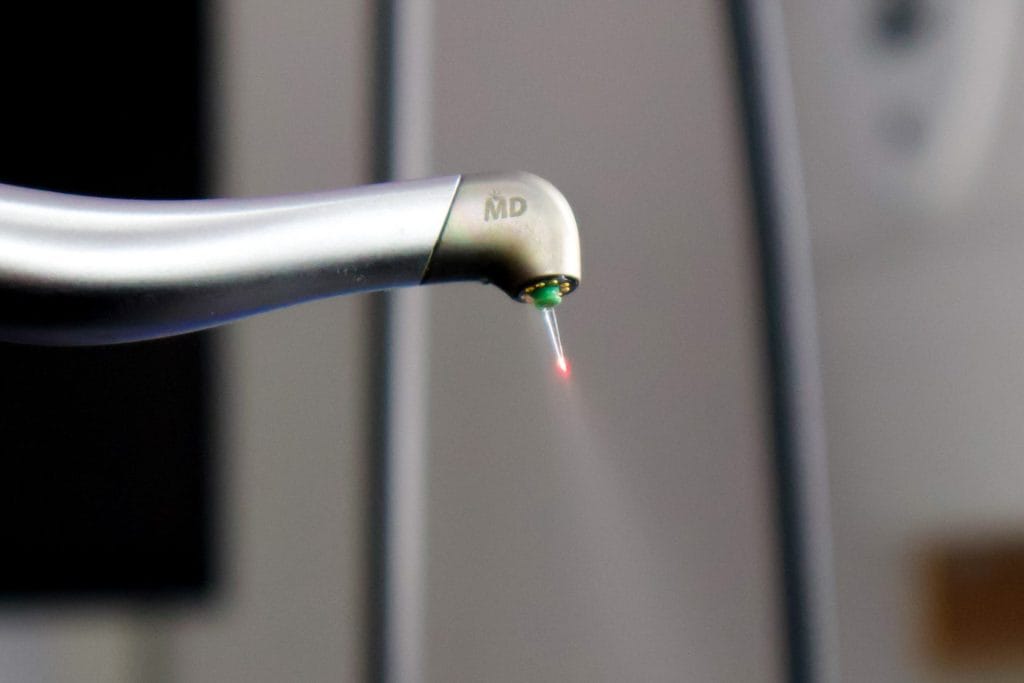
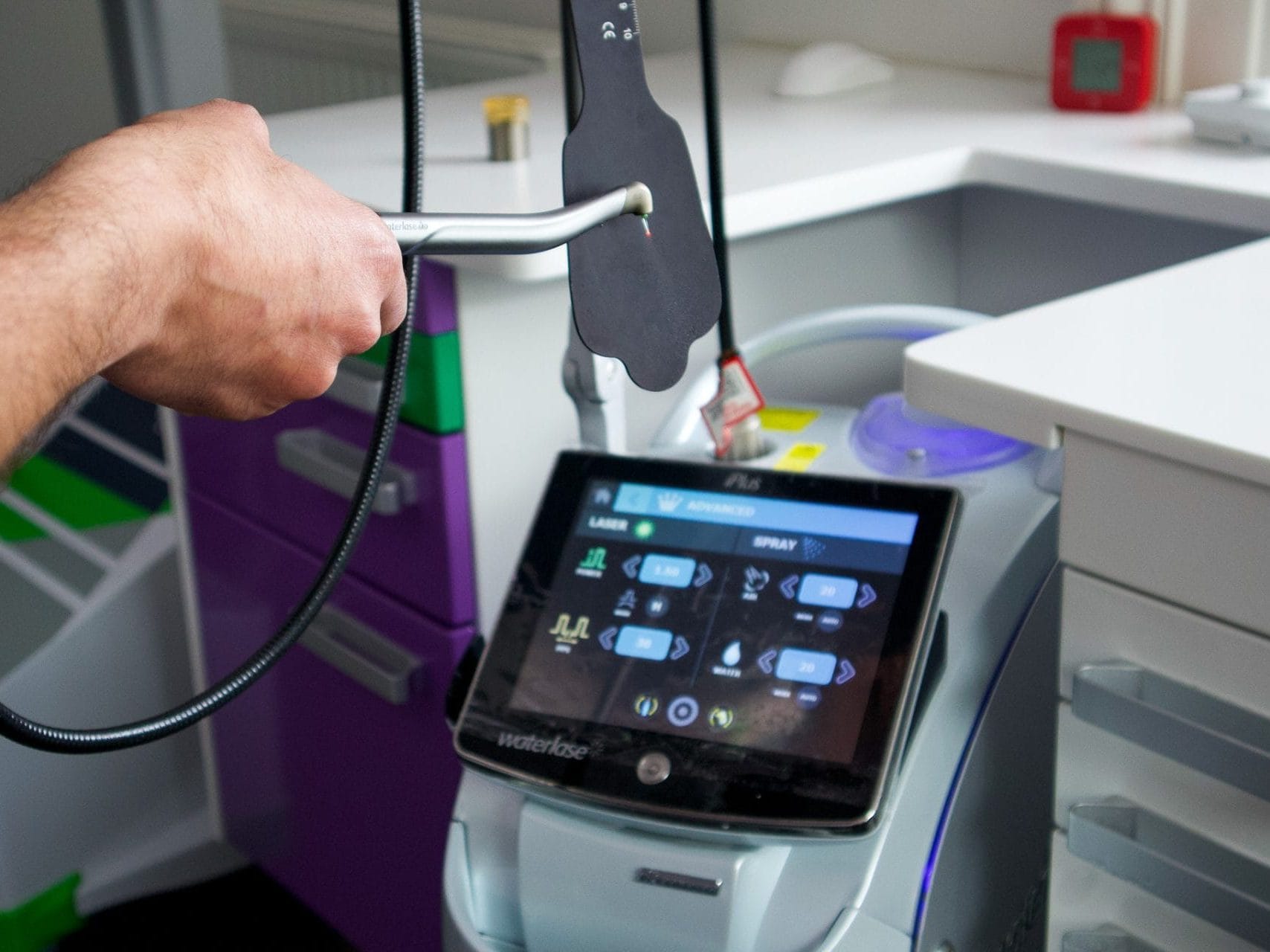
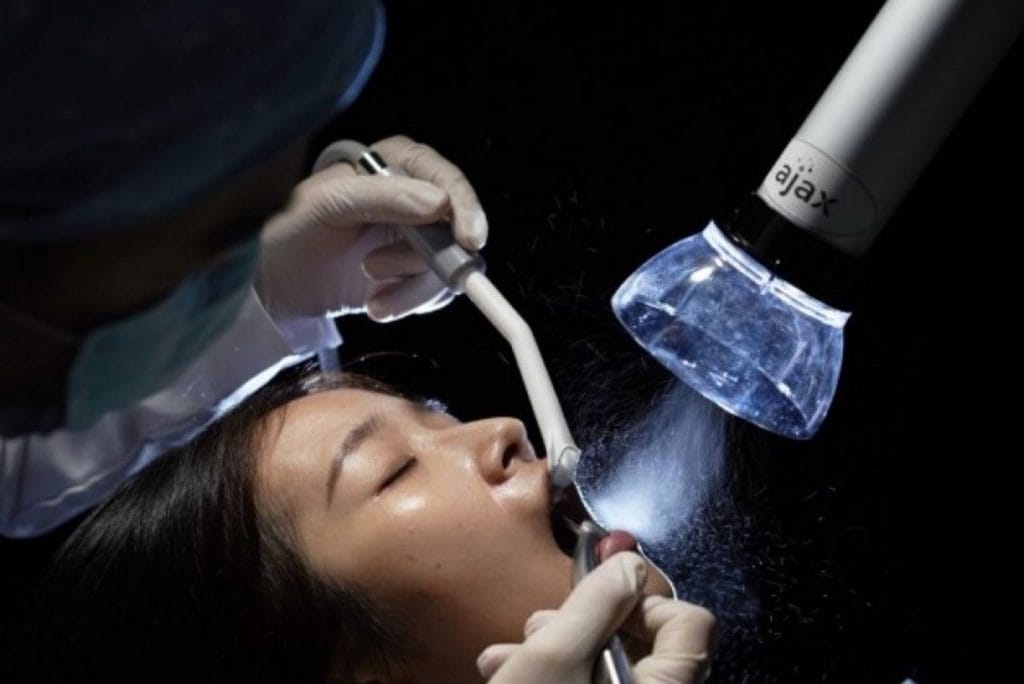
    At Integrated Dentalcare, we utilise state-of-the-art instruments and Waterlase technology to create a minimally invasive space around the tooth during removal. This not only reduces discomfort during the tooth removal procedure and causes less trauma to the bone, but it also sets the stage for an efficient and gentle healing process.

    Laser technology uses laser-activated water to sculpt bone or skin for smile enhancement.

    Advanced Disinfection Techniques

    Our meticulous approach to disinfection addresses concerns about infections and lingering toxins. We employ both mechanical and laser disinfection of infected tissue and energise the socket with laser light to ensure a thorough cleaning process that promotes better and more predictable healing outcomes.

    Accelerated Healing with Platelet-Rich Fibrin (PRF)

    At Integrated Dentalcare, we have incorporated Platelet-Rich Fibrin (PRF) into our dental extraction services. This natural painkiller, derived from your own blood, accelerates the healing process, often resulting in reduced discomfort and faster recovery times post-extraction. PRF creates a super membrane that covers the socket like a drape and protects the important blood clot that forms after gently removing the tooth. This membrane expedites tissue repair, helps the skin grow better and faster, protects the socket bone, and acts as a natural painkiller, with some of our clients reporting minimal to no discomfort post-extraction.

    Our cutting-edge technology and innovative Platelet-Rich Fibrin therapy will enable you to quickly return to your daily activities, significantly reducing interruptions to your routine.

    Are you curious how our PRF therapy has helped one of our valued clients? Hear first-hand from Chunyan Su, who has recently undergone PRF treatment with Dr Neeraj Puri:

    “I had one of my molars removed with PRF recently with Dr. Neeraj Puri from the Integrated Dentalcare and I had a very comfortable and speedy recovery. I didn’t even need any painkillers the day after the operation. I had thought that it was because of Dr Puri’s expertise – he removed my tooth very gently, thus protecting the surrounding teeth and issues very well. My friend recommend Dr. Puri to me when I moved into Edinburgh. Dr. Puri is very reliable, kind and professional. I feel he is not only dedicated to the practice but also studies hard and always delves into the most advanced technology in dentistry and applies these to his practice. This time, when he checked my teeth in two weeks after the operation, I thanked him for his technique and patience which I think contributed to such a speedy recovery, he told me the quick recovery is mainly due to the PRF, membrane made from my blood that nourished the healing, not only because of his experience in tooth extractions. Thank you Dr. Puri for both your expertise and the PRF you applied. I highly recommend Dr. Neeraj Puri to everyone.”

    – Chunyan Su

    Laser Therapy for Infection Prevention

    Our experienced dentists use laser therapy to remove foreign bodies or potential infections from your tooth extraction site to enhance your post-treatment experience. This advanced technique for infection prevention during a tooth extraction ensures a cleaner wound and reduces the likelihood of complications, contributing to a more predictable healing outcome and optimal bone health.

    Dental Implant Preparation Following a Tooth Extraction

    If you’re considering the possibility of dental implants in the future, we take a proactive step at our Edinburgh West End practice to ensure the ability of implant placement after tooth extraction. By placing an artificial bone scaffold in the socket, our dentists can preserve the width and height of your bone ridge following your gentle tooth removal.

    This gives you a much greater chance of ensuring the bone is still viable should you decide to replace a tooth with a dental implant later. This simple measure will save you time and effort in the future and provide you with peace of mind knowing that your dental health is being taken care of in the best possible manner.

    Gentle Tooth Removal in Edinburgh, Scotland

    Your journey to a gentler tooth removal experience begins with our team at Integrated Dentalcare. Our commitment to utilising finer instruments, laser technology, Platelet-Rich Fibrin, and state-of-the-art solutions ensures your dental care goes beyond the ordinary.

    If you are interested in learning more about Gentle Tooth Removals and the process of gentle tooth extractions, don’t hesitate to contact our reception team by calling 0131 225 9093 or emailing us at [email protected].

    We look forward to welcoming you.

    Integrated Dentalcare Team

  • The Amalgam Ban and What It Means for Your Dentalcare

    The Amalgam Ban and What It Means for Your Dentalcare

    The European Parliament has announced a ban on the manufacturing and exportation of dental amalgam from the European Union, effective 1 January 2025.  

    Dental amalgam has been the cornerstone of dentistry for decades, having been widely used for dental fillings composed of mercury, silver, tin, and copper. You may recognise if you have an amalgam filling as it has a metal finish, compared to the modern-day composite resin, ceramic, or porcelain fillings.  

    Silver dental amalgam is a dental material that was invented by the English chemist Joseph Bell in the early 19th century. Bell’s creation, also known as “Bell’s putty,” was quickly adopted in Britain and France, and has been in use ever since.  

    Despite its widespread use, dental amalgam has been the subject of controversy for many years due to concerns about its high levels of mercury. This concern has led to increased attention on the safety and ethicality of using silver amalgam as a dental material.  

    While dental amalgam is still commonly used, many dentists and researchers are actively exploring alternative materials that may be safer and more ethical for use in dentistry.

    Integrated Dentalcare has been Amalgam-free since 1990

    At Integrated Dentalcare, we take pride in being a leading dental practice that is committed to providing high-quality dental care to our clients. For over three decades, we have been dedicated to offering dental care that not only addresses oral health but also considers the broader impact on the overall health of our patients.  

    In 1990, we made a conscious decision to go Amalgam-free as an initiative to prioritise the health and well-being of our clients.  

    Amalgam-Free Dentistry and What It Means To You

    The unique needs of our clients are at the forefront of our practice, particularly those with sensitivities to metals. We take pride in serving hundreds of clients who appreciate our metal-free options. Many of these individuals have sensitivities to metals, making our Amalgam-free environment a welcoming choice for their dental care. Moreover, numerous clients have proactively sought our expertise to safely remove old amalgam fillings. Our skilled team follows strict protocols to ensure a safe removal process, minimising any potential exposure to mercury during the procedure.

    Amalgam Removal Experience from Our Valued Clients

    Hear first-hand from one of our valued clients, Rich E., and his experience with dental amalgam removals with Dr Neeraj Puri at Integrated Dentalcare in Edinburgh:

    “With concerns that mercury/amalgam fillings were causing some health issues, I was delighted to come across Integrated Dentalcare. The staff were friendly and welcoming, and Neeraj sat me down for a relaxed, informal chat to go over having my fillings removed – you can tell this is somewhere that genuinely cares about their patients. I felt I was in very safe hands from the outset, and relaxed and confident during the procedure. With the use of the latest in technology, the patient can see what is going on. They removed all the fillings and meticulously restored my teeth. I am happy to say my gums and mouth now feel fantastic, and have received many compliments on my now white teeth. The hygienist has also been great, and patiently educates you on taking preventative care on your own. I would highly recommend this practice – 5/5”

    – Rich E.

    We are pleased that Rich was able to restore the health and longevity of his teeth by trusting our experienced dentists for his amalgam-filling removal.

    Get In Touch to Book Your Amalgam-Filling Removal

    If you would like to find out more information or want to enquire about amalgam removals, please contact our lovely team today by calling 0131 225 9093 or emailing us at [email protected].

    We work with you to get the most out of the first thing you see in the mirror: your smile.

  • Exclusive Discounted Offer on Dental Implants in Edinburgh – Accredited Training Programme

    Exclusive Discounted Offer on Dental Implants in Edinburgh – Accredited Training Programme

    At Integrated Dentalcare, we are committed to providing high-quality dental care to our patients. That’s why we are excited to announce that we are now an accredited training facility for registered dentists pursuing the postgraduate MSc in Clinical Implantology programme at the University of Central Lancashire (UCLan).  

    This means that we can offer dental implant therapy at a significantly reduced fee, thanks to the subsidy from the programme sponsors.  

    Affordable Dental Implants with Quality Supervision in Edinburgh, Scotland

    Dr Neeraj Puri, leveraging 18 years of expertise in placing dental implants, mentors qualified dentists in dental implant treatment planning, implant placement, and implant prosthetics. This presents a unique opportunity for our clients to benefit from dental implants at a much lower cost, all under the direct supervision of Dr Neeraj Puri in our Edinburgh West End practice.

    How to Qualify for the Dental Implant Discount

    We understand that the cost of dental implants can be a concern for many people. That’s why we are pleased to be able to offer this opportunity to our clients who need teeth replacement.  

    The first step to qualify for this special discounted dental implant treatment offer is to attend a free dental implant consultation with Dr Neeraj Puri, who will assess your individual circumstances to establish whether implant treatment and the implant programme are right for you.  

    Qualified implant cases need to be a straightforward/simple implant placement.

    If you are not a good fit for our discounted implant programme, you can still opt-in to receive dental implant therapy at a discounted rate* from our regular fees.  

    Cost Breakdown of Dental Implant Discount Offer

    The total investment in treatment carried out as part of the programme is £2217, which covers treatment planning, any necessary radiographic assessments, implant placement, and implant crown placement.

    This is a saving of more than £1,300 (including CBCT)!

    State-of-the-Art Edinburgh Dental Practice and Dental Care

    At Integrated Dentalcare, we take pride in our state-of-the-art practice located in Edinburgh’s West End. Under the guidance of Dr Neeraj Puri, you can be confident that your dental implant therapy will be carried out safely and effectively. We are still open to new enquiries from individuals who need teeth replacement, and we are happy to offer this unique opportunity to our clients.

    Your Chance To Get Your Dream Smile – Get in Touch Today!

    If you want to take advantage of this discounted dental implant offer or have any questions, please email our Implant Coordinator at [email protected] or call 0131 225 9093.  

    We look forward to helping you achieve a healthy, beautiful smile.

    *T&Cs applicable to the IDC in-house offer:

    • 10% discount available for surgical phase of treatment, for instance implant placement surgery, bone grafting surgery or soft tissue grafting surgery (complex bone grafts, sinus lifts as well as implant crown/bridge and CBCT/ 2D x-rays are excluded)
    • Eligibility: must have attended VSS consultation and be deemed unsuitable for treatment under the programme
    • Offer must be noted on treatment plan estimate. Discounted treatment must take place within 3 months from date of estimate.
    • Deposit of £350 is required to be paid when booking assessment with NP, this will go towards treatment costs. Non-refundable if client changes their mind after assessment with NP
    • This offer cannot be extended to existing clients already in treatment planning phase or undergoing treatment

  • My New Dental Crown or Filling Feels High. What Should I Do?

    My New Dental Crown or Filling Feels High. What Should I Do?

    Getting a new dental crown or filling is a significant step towards improving your oral health, tooth structure, and bite. However, some patients feel sensitivity around the area, usually described as “high” or uneven. Though this is typically normal for one to two weeks following a procedure, our team at Integrated Dentalcare wants to ensure you are informed of what you can do if the issue hasn’t been resolved.  

    The Adjustment Period  

    It is common to experience a feeling of a “raised” crown or filling one to two weeks following their placement. This sensation can occur due to various reasons, such as your bite adjusting to the new restoration, minor swelling in the surrounding tissues, or a slight discrepancy in bite alignment.  

    Allowing your mouth some time to adjust after the dental restoration is essential. This means giving the tissues around the restored tooth a chance to settle and allowing your bite to adjust naturally as you become accustomed to the new dental work. In most cases, any discomfort or sensation of unevenness will resolve on its own without the need for any additional intervention.  ‍

    The Importance of a Good Bite

    Having an uneven bite can lead to discomfort when speaking, chewing, or biting. Therefore, it is essential to have a properly aligned bite for optimal oral function and comfort. You may experience jaw pain, headaches, difficulty chewing, and general discomfort if your bite is misaligned. Hence, ensuring that your bite is aligned to maintain oral health, prevent teeth grinding, and alleviate toothaches is essential.  

    A well-aligned bite is not just about the aesthetics of your smile but also about preserving it for the long term. When your bite is balanced, chewing forces are distributed evenly, preventing excessive wear on specific teeth and contributing to the overall longevity of your dental restorations. Your dental restorations, whether crowns, fillings, or other treatments, also rely on a balanced bite for their durability. Even distribution of biting forces reduces the likelihood of damage, ensuring your dental work remains functional and intact over time.

    When to Visit Your Dentist

    Suppose the feeling of a “high” dental crown or filling persists beyond the initial two-week adjustment period. In that case, we advise you to consult your practitioner to book a follow-up review appointment. At your visit, your dentist will assess your bite and make any necessary adjustments to ensure your comfort and satisfaction with the dental restoration.

    Communicating with your dentist is essential to ensure that any issues you may be experiencing are resolved promptly. We understand that an uneven crown or filling can affect your day-to-day activities, making it more difficult and unpleasant to adjust to the dental restoration. Don’t hesitate to contact your dentist immediately if you are experiencing persistent discomfort from your treatment. Our dentists at Integrated Dentalcare want to ensure the optimal function of your crown or filling by providing guidance, addressing your concerns, and making necessary adjustments.

    What to Remember

    As you navigate the initial weeks with your new dental crown or filling, remember that the adjustment period is a natural part of the process. Give your bite the time it needs to settle, understanding that this short-term discomfort is a small investment in your smiles’ long-term health, comfort, and resilience. Should any concerns persist, your dental team is here to guide you through the journey towards a comfortable and well-balanced bite.

  • Why Is My Jaw In Pain After Treatment?

    Why Is My Jaw In Pain After Treatment?

    Dental treatments can cause unexpected discomfort and jaw pain in patients, especially those that involve prolonged mouth opening. It is common for individuals to experience tired and sore muscles in their jaw after specific procedures. The reasons behind jaw pain after treatment can vary, such as dental instruments requiring significant pressure, overextension of the jaw, or TMJ disorders.  

    It is essential to manage jaw pain efficiently to avoid complications such as difficulty eating and speaking. This blog will discuss various ways to manage jaw pain, including home remedies, pain medications, and relaxation techniques. We will also explore when to seek additional support from your dentist or a medical professional.

    Common Causes of Jaw Pain Post-Treatment:  

    • Prolonged Mouth Opening: After undergoing a dental procedure, it is not uncommon to experience jaw pain. This discomfort is usually caused by prolonged mouth opening, which can result in fatigue and strain in the jaw muscles. This type of pain can persist for some time, making it difficult to eat, speak or even smile.
    • Manipulation of Soft Tissues: During dental treatments, it is common for the dentist to manipulate soft tissues in the oral cavity, such as the tongue, lips, and cheeks. This manipulation can sometimes cause trauma to the surrounding muscles, resulting in inflammation and pain. This type of trauma is often responsible for triggering pain and inflammation, which can be pretty uncomfortable for the patient.

    Management Strategies for Jaw Pain:  

    • Remind Yourself That It’s Only Temporary: It is not uncommon to experience jaw pain after undergoing treatment, and it’s essential to understand that it is usually temporary. To help alleviate the discomfort, your fatigued muscles need time to recuperate, which typically takes around two weeks. During this period, it’s crucial to be patient and not panic.
    • Adjust Your Diet: A soft diet is also essential, as it can reduce the strain on your jaw muscles. Hard and chewy foods should be avoided, and instead, it’s best to opt for softer food options like soups, mashed potatoes, and smoothies. Sticking to a soft diet can help speed up recovery and minimise discomfort.
    • Over-the-counter medication: Take over-the-counter pain relievers like ibuprofen to manage pain and reduce inflammation. However, it’s crucial to adhere to the recommended dosage and seek advice from a healthcare professional if there are any concerns or if the pain persists.
    • Hot & Cold Compress: Applying hot and cold compresses to the affected area is also recommended. Initially, a cold pack can help decrease inflammation, while a warm compress can later soothe the muscles. Using hot and cold packs can help alleviate the pain and swelling associated with jaw pain. Be sure to consult your healthcare provider for additional advice and guidance.

    When to Seek Further Assistance:  

    It is not uncommon to experience discomfort in the jaw after undergoing treatment. However, patients should know that persistent pain may indicate an underlying issue. If the discomfort is severe and not alleviated by over-the-counter medications, scheduling a follow-up appointment with a medical professional is recommended. It is important to note that if the pain persists for more than a few weeks despite following recommended care guidelines, seeking further medical attention is advised.  

    Other symptoms, such as swelling, difficulty in jaw movement, or headaches, should also be taken seriously and evaluated by a qualified healthcare provider. By taking proactive steps, patients can ensure that they receive the appropriate medical care and avoid any potential complications.

    Remember This:

    Jaw pain after dental treatment is common but manageable. Applying a cold compress and taking pain medication can alleviate the pain. Follow care instructions, avoid hard/chewy foods, and attend follow-up appointments. Seek professional advice if the pain persists. With time and proper care, the pain should decrease, allowing you to enjoy your dental treatment without discomfort.

  • Toothache Troubles: A Comprehensive Guide on What to Do When Pain Strikes

    Toothache Troubles: A Comprehensive Guide on What to Do When Pain Strikes

    Dealing with a toothache can be a real pain—literally. Whether it’s a dull ache or a sharp, throbbing pain, toothaches can disrupt your daily life and make simple tasks like eating and sleeping unbearable. In this blog post, we’ll guide you through the steps when a toothache strikes, offering relief and solutions to get you back to smiling.  

    1. Rinse with Warm Saltwater: When a toothache hits, start by rinsing your mouth with warm saltwater. Mix a teaspoon of salt in warm water and swish it around your mouth for 30 seconds. Saltwater can help reduce inflammation and clear away debris contributing to the pain.  
    2. Use Cold Compress: Applying a cold compress to the affected area can help numb the pain and reduce swelling. Wrap a bag of ice or a cold pack in a thin cloth and apply it to the outside of your cheek for 10 minutes. Be sure to take a break for 5 minutes to prevent frostbite. Repeat this cycle for as long as you want.  
    3. Over-the-counter Pain Relief: Non-prescription painkillers, such as ibuprofen or paracetamol, can temporarily relieve toothache pain. Follow the recommended dosage instructions and avoid placing the medication directly on the affected tooth. Ibuprofen is an effective anti-inflammatory, but it can irritate the stomach lining, so make sure that you line your stomach with food or even a glass of milk.  
    4. Avoid Trigger Foods and Drinks: Certain foods and drinks, especially hot ones, cold, sweet, or acidic items, can exacerbate toothache pain. Stick to a soft diet and avoid extremes in temperature to reduce discomfort.  
    5. Floss Gently: Sometimes, toothache pain may be caused by debris caught between teeth. Gently floss to remove any trapped particles, but be cautious not to aggravate the pain or damage your gums.  
    6. Topical Anaesthetics: Over-the-counter oral gels or creams containing benzocaine can temporarily numb the affected area, relieving toothache pain. Apply as directed on the product packaging.  
    7. See Your Dentist ASAP: While these home remedies can offer temporary relief, scheduling an appointment with your dentist as soon as possible is crucial. Remember, pain or toothaches often indicate an underlying dental issue or disease that needs professional attention.  
    8. Don’t ignore your pain: Sometimes, people ignore the pain, hoping that it will improve or be on accord. Sometimes, the pain becomes unmanageable, and they then become desperate for professional help. Remember, emergency care is emergency management and usually a temporary fix. It is not proper dental care.  
    9. Emergency Dental Care: If your toothache is severe, accompanied by swelling, fever, or difficulty breathing, seek emergency dental care immediately. These could be signs of a severe dental infection that requires prompt treatment.  
    10. Fix the long-term problem: Sometimes, people want a quick fix to resolve the pain. They feel that taking antibiotics is an easier option. Antibiotics are great at managing spreading infections or fever. However, they are not a replacement for proper dental care. They will not destroy all the bacteria; the infection can return with a vengeance if not addressed correctly.  

    Remember, a toothache is your body’s signal that something is amiss. While these home remedies can help alleviate the pain temporarily, consulting with your dentist is crucial for addressing the root cause. Don’t let toothache troubles keep you from enjoying life; take action and return to smiling pain-free! If you have persistent toothache pain, contact our dental clinic to arrange an appointment with our experienced clinical team.

  • The Ultimate Guide to Mini Dental Implants: Affordable, Secure, and Comfortable

    The Ultimate Guide to Mini Dental Implants: Affordable, Secure, and Comfortable

    Replacing missing teeth is essential to avoid long-term digestive and health problems. While removable dentures have been a common solution, they come with challenges like dietary restrictions and discomfort due to a poor fit. If the fit can’t be improved and your budget doesn’t extend to full blown dental implants, how can we improve the comfort of your dentures?

    Ok, you’ve lost your teeth and now is this how you see your future. A progressive degradation of the quality of your life?

    In this guide, we explore the advantages of mini dental implants, their comfortable procedure, faster healing time, and why they are an excellent option for many patients, especially elderly individuals.

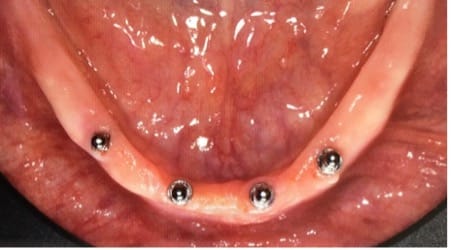
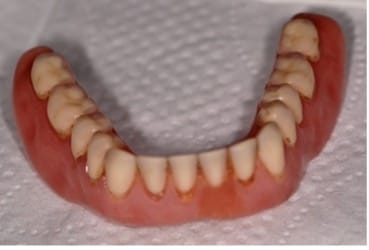
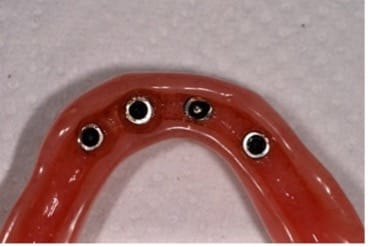
    • Mini Dental Implants: A Better Alternative to Removable Dentures. Missing teeth can be efficiently replaced with mini dental implants, offering many benefits similar to traditional implants but at approximately one-third of the cost. Unlike removable dentures, mini dental implants are secured into the jaw, eliminating the problems associated with loose and ill-fitting dentures.
    • A Comfortable and Swift Treatment Process: The procedure for mini dental implants is faster than traditional implants, and the healing time is significantly faster. A few small anchor points are inserted into the jawbone (in most cases without even having to cut open the skin). These are the width of a toothpick. These anchor points securely attach to your existing or a new denture. The attachment of the denture reduces the chaffing of the skin by a moving denture.
    • Enjoy a Wider Range of Foods with Mini Dental Implants: You will benefit from a wider choice of foods, compared to removable dentures. While the implant allows for some movement, it remains secure, providing confidence and ease while eating. Once the gums are fully healed, patients can enjoy a diverse range of foods without worry.
    • Cost-Effective and Secure Solution: The biggest advantages of mini dental implants lie in their reduced cost compared to conventional implants and the enhanced security they offer compared to removable dentures. The confidence of knowing that their false tooth won’t fall out during meals will boost your self-assurance in social situations.
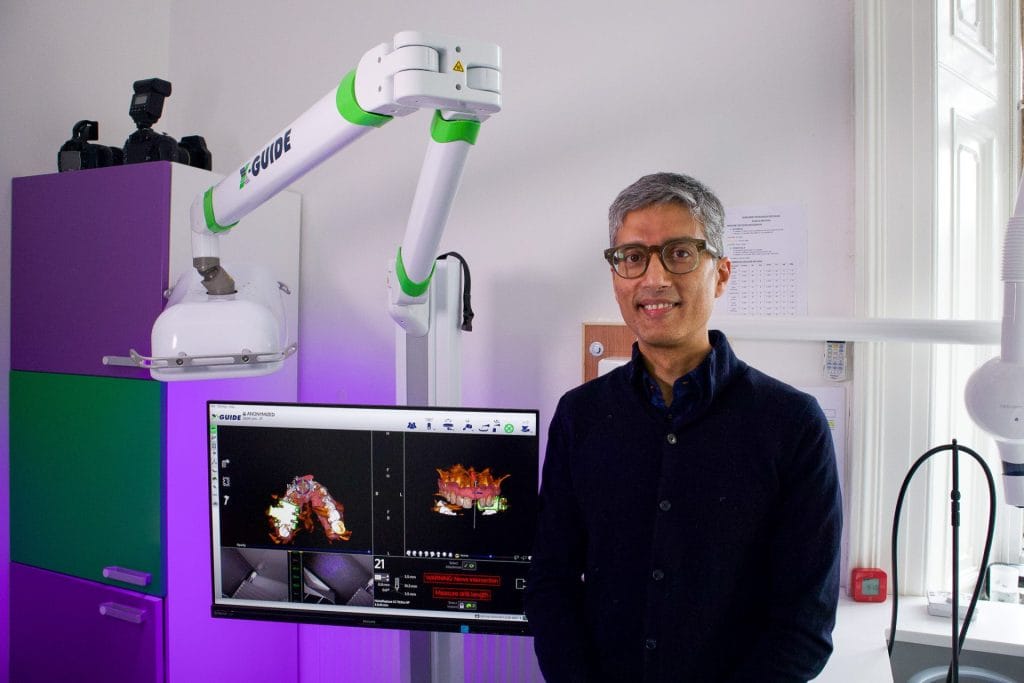
    • Mini Dental Implants: The Ideal Option for Older Patients Due to the minimal need for surgery and reduced healing time, mini dental implants are an excellent option for older individuals. As jaw changes with age, removable dentures can become cumbersome, and traditional implants may not be feasible due to invasiveness and pain. However, mini dental implants provide older patients with a comfortable and viable solution, restoring their confidence and comfort. The process is even easier with the advent of navigation guided surgery. This technology allows the insertion of implants without even cutting open the gum.

    Ill-fitting dentures can make your mouth sore, limit your diet, reduce your confidence not to mention make you feel miserable. Why not do something about it and live a better life!

    Mini Dental Implants

    Mini dental implants are affordable, secure, and comfortable life enhancing solution to traditional implants and removable dentures. With a comfortable procedure and faster healing time, mini dental implants are now accessible to a broader range of patients, including older individuals. Say goodbye to ill-fitting dentures and explore the benefits of mini dental implants with confidence.

  • Terrible Toothaches – Can I Use Antibiotics?

    Terrible Toothaches – Can I Use Antibiotics?

    Dealing with a toothache can be excruciating, and the thought of getting immediate relief is understandably tempting. One common question that arises is whether taking antibiotics can be a quick fix for tooth pain. While antibiotics can be effective for certain dental issues, they are not a one-size-fits-all solution. In this blog, we will explore the pros and cons of taking antibiotics for a toothache, helping you make an informed decision about seeking the right treatment.

    1. Understanding the Cause of a Toothache:

    Before considering antibiotics, it’s crucial to understand the underlying cause of your toothache. Tooth pain can stem from various dental problems, such as tooth decay, dental abscess, gum disease, or even impacted wisdom teeth.

    Just to complicate matters certain conditions such as earache or sinusitis may share a similar presentation to a toothache.

    Each condition requires a specific approach to address the root cause effectively.

    1. Antibiotics for Dental Infections:

    If your toothache is a result of a dental infection, your dentist may prescribe antibiotics to alleviate the pain and reduce the infection. Dental infections occur when bacteria enter the tooth’s pulp, causing inflammation and severe discomfort. In such cases, antibiotics can help control the spread of infection and prevent further complications.

    If the problem is localised the best treatment is to address, it without resorting to antibiotics. This may involve removing the decay and a sedative dressing, root canal treatment, removing the tooth (if not saveable) or discharging the pus in an abscess which is building up the pressure and causing the pain.

    1. The Importance of Dental Evaluation:

    Before resorting to antibiotics, it’s essential to seek professional dental evaluation. Dentists are trained to diagnose the exact cause of your toothache and recommend the most appropriate treatment plan. In some instances, they may find that antibiotics are unnecessary or even ineffective if the toothache is caused by non-bacterial factors, such as dental trauma or cracked teeth.

    1. Potential Side Effects of Antibiotics:

    While antibiotics can be a valuable tool in fighting infections, they are not without their drawbacks. Taking antibiotics unnecessarily or inappropriately can lead to antibiotic resistance, where bacteria become immune to the drugs’ effects. Moreover, antibiotics can cause side effects such as nausea, diarrhoea, and allergic reactions in some individuals. Antibiotics work across the board so whilst your infection might be localised to a part of the jaw the antibiotics will affect the whole body. This can be particularly detrimental to your gut bacteria. Research shows that it can take up to 2 months for the gut bacteria to recover from a course of antibiotics. This can affect your medium-term digestion and so your health.  

    1. Temporary Relief vs. Long-term Solutions:

    Using antibiotics for a toothache might provide temporary relief, but it should not replace definitive dental treatment. Dental issues need to be addressed at their source to prevent recurrence and ensure lasting relief. Relying solely on antibiotics without addressing the root cause can lead to the problem resurfacing later with increased severity. Antibiotics will not be able to destroy all the bacteria causing the infection. The bacteria that remain, can reinfect at a later date with a more severe infection. As they were already antibiotic resistant in the first place, the next bouts of infections may be even worse. This can lead to you requiring stronger antibiotics with more side effects.

    1. How can I protect my stomach from antibiotics?

    Your gut bacteria are important for your gut health. This can be wiped out when you take antibiotics. This can result in poor absorption of nutrients, indigestion, bloating, stomach cramps, flatulence, or indigestion. If you do have to take antibiotics, then its best to try to shore up your commensal bacteria.  Probiotics are a great way of achieving this. These are available as tablets or capsules from health food shops or even naturally in some yogurts. Other fantastic ways of addressing the gut bacteria are fermented dairy products like kefir or yogurt, fermented plants or live cultures used to make kimchi, kombucha, miso, sauerkraut and tempeh.

    1. Dental Care and Prevention:

    Prevention is always better than a cure. Maintaining good oral hygiene practices, such as regular brushing, flossing, and dental check-ups, can significantly reduce the risk of toothaches and dental infections. Proper dental care ensures that potential issues are detected early, allowing for less invasive and more effective treatments.

    While antibiotics can offer relief for toothaches caused by dental infections, they are not a substitute for professional dental care. To ensure the best outcome, seek a dentist’s evaluation to determine the exact cause of your toothache and the appropriate course of action. Always take antibiotics as prescribed by your dentist or healthcare provider and never use them as a self-medication solution. By prioritising dental care and preventive measures, you can safeguard your oral health and minimise the likelihood of toothaches in the future.

    Remember, when it comes to dental health, knowledge is power, and seeking professional advice is the key to a pain-free and healthy smile.

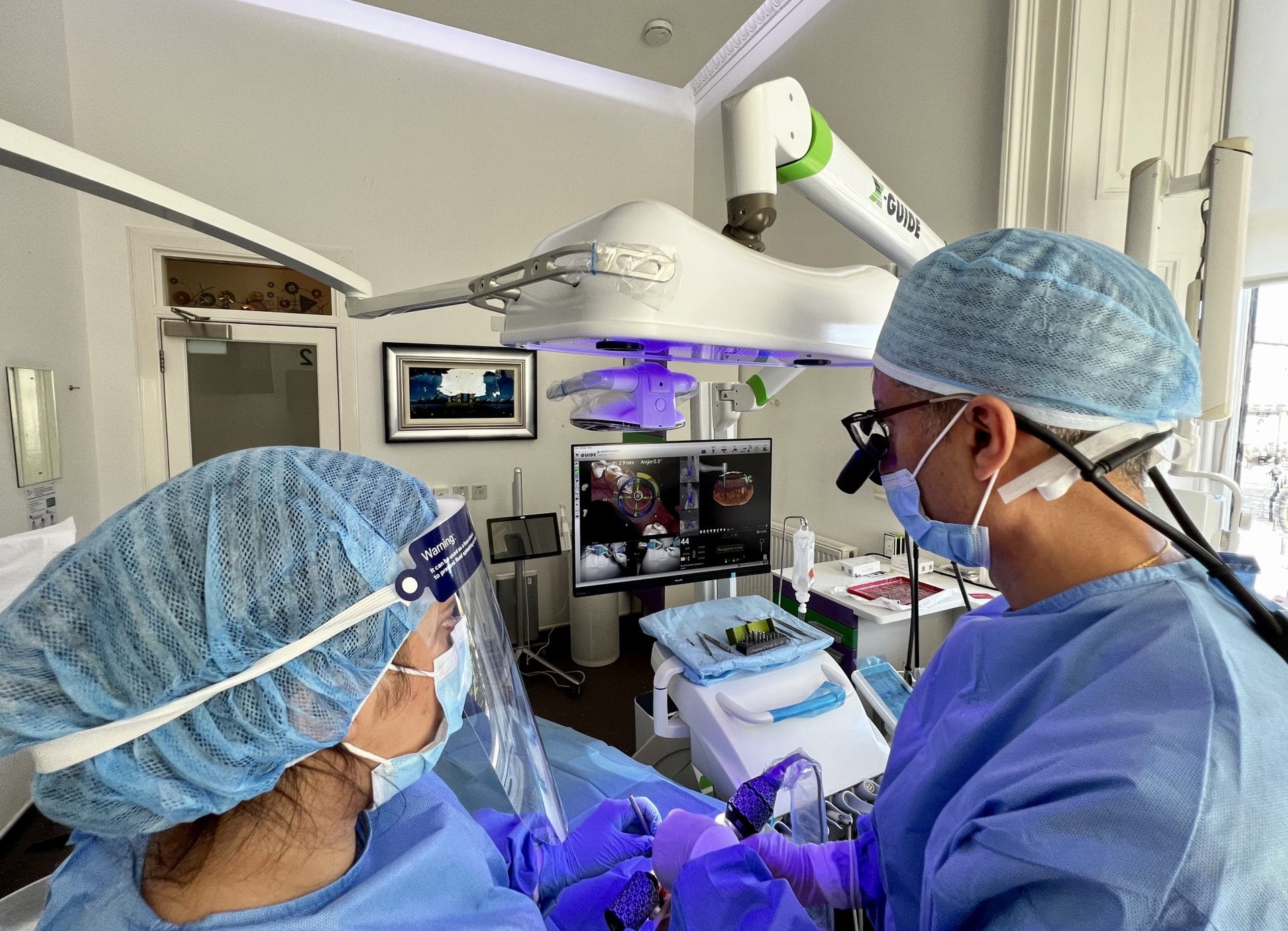
  • Navigation Guided Surgery

    Navigation Guided Surgery

    Wanting to have Dental Implants?

    Discover the remarkable advantages of navigation-guided implant surgery how it can help you. From increased precision and safety working around important structures in the jaws, this advanced technology offers improved outcomes and enhanced patient experience. Read on to learn more!

    So, you have decided that you want to replace that missing or soon to be lost tooth with a fixed tooth. You realise that the main benefits of a fixed tooth is that it will function similar to your natural teeth and support the remaining teeth just as you’re failing tooth would have done.

    You’ve considered the fixed options – there are two:

    Dental Bridge

    A bridge which requires support from adjacent teeth as well as cutting of these teeth to allow sufficient thickness to create a strong bridge.

    Dental Implant

    Implant which is self-supporting like a natural tooth. It will help shoulder the considerable forces that you will generate on the teeth.

    Now you are thinking about the procedure. From other acquaintances or friends, you have some understanding of what is involved.

    It’s a surgical procedure which involves cutting the gum to expose the jaw bone.

    Drilling to insert the implant in the bone. A number of x-rays during the procedure to ensure that the implant surgeon is away from important structures as well as the alignment of the implant as was planned. This is all checked by eyeballing and some basic measurements.

    ‍Stitches – whatever has been cut needs to be sewed back.  You might need to take some time off work to recover and manage the pain with painkillers.

    It’s a considerable investment which is really worth it if it lasts a long time. These teeth have to undergo crushing forces of many 10s of kilograms each time your jaw closes together. You have no control over this. People will often tell you that they have a very soft diet or that they don’t need to chew much. This is not under your control. The forces that you generate are dependent on the jaw muscles. Whilst no one can guarantee how long your investment will last, there are certain concepts which will help the teeth last longer:

    1. Placing implants precisely underneath where the teeth will be will ensure that the full force generated is supported by the strongest part of the implant. You might not think that this is important but consider how often these teeth may have to undergo chewing cycles. Over a period of 10 years that is almost 11,000 chewing cycles and with three meals a day this will be over many minutes. If the implants and teeth are positioned in the most optimal position, they will have less stress on them and last much longer with less problems.
    1. Designing the teeth so that each component from the tooth to the implant is placed in the optimal position to ensure that there is sufficient thickness of these components to withstand the forces you are about to unleash upon them.
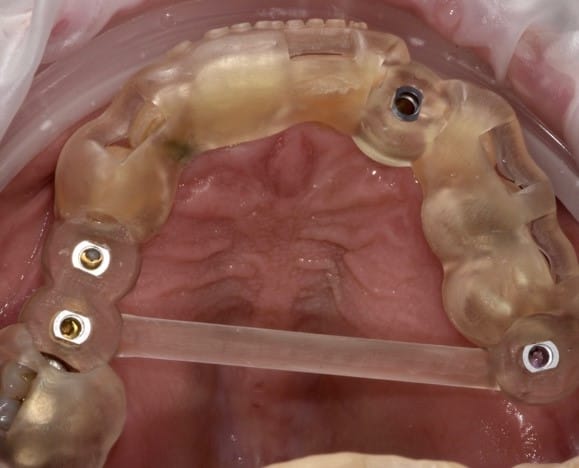
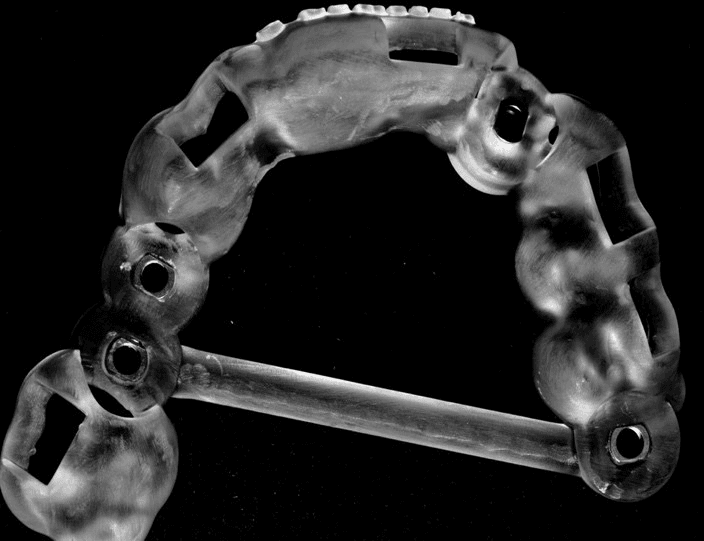
    1. Surgical Guides. This led to the development of guided surgery where guides are clipped on to the teeth and allow the implant dentist to drill through the holes.  

    This markedly improved the accuracy of the procedures. But they are cumbersome and sometimes uncomfortable for the patient.  This is particularly so when they are needed for implant placement for the back teeth where space is limited. The guides need extra-long drills to be used with them which can be uncomfortable for the patient. They also remove tactile feedback and real-time information of what is actually happening during the procedure. But they are certainly a step-up from freehand implant surgery.

    Navigation Guided Surgery

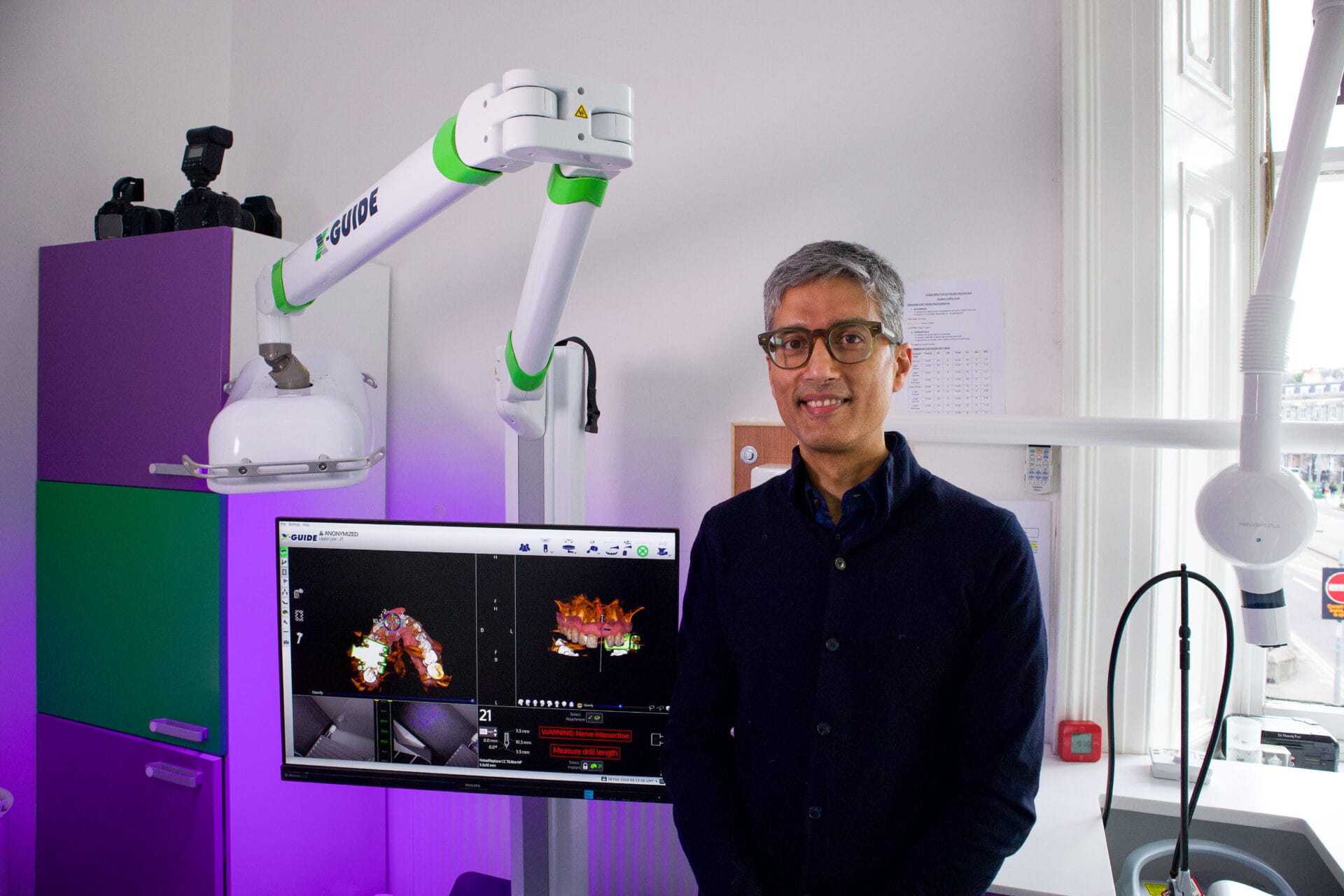
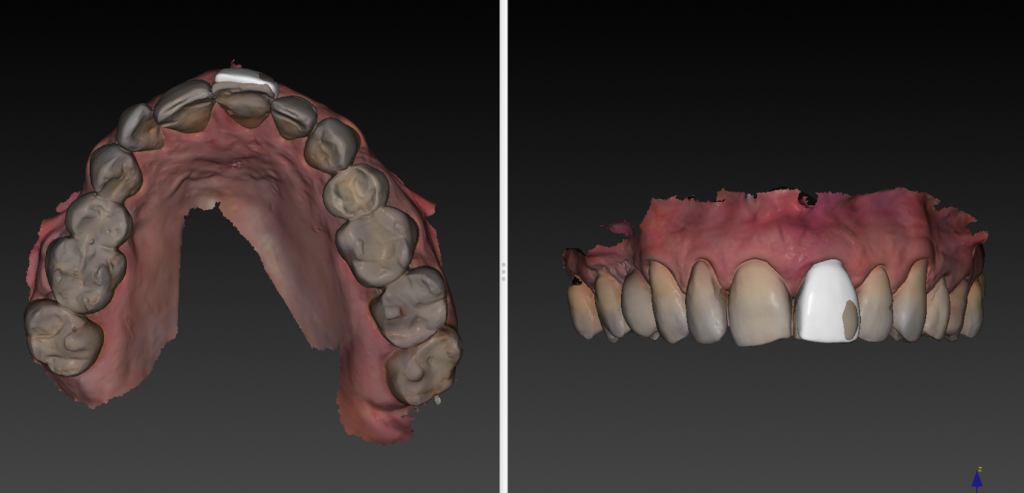
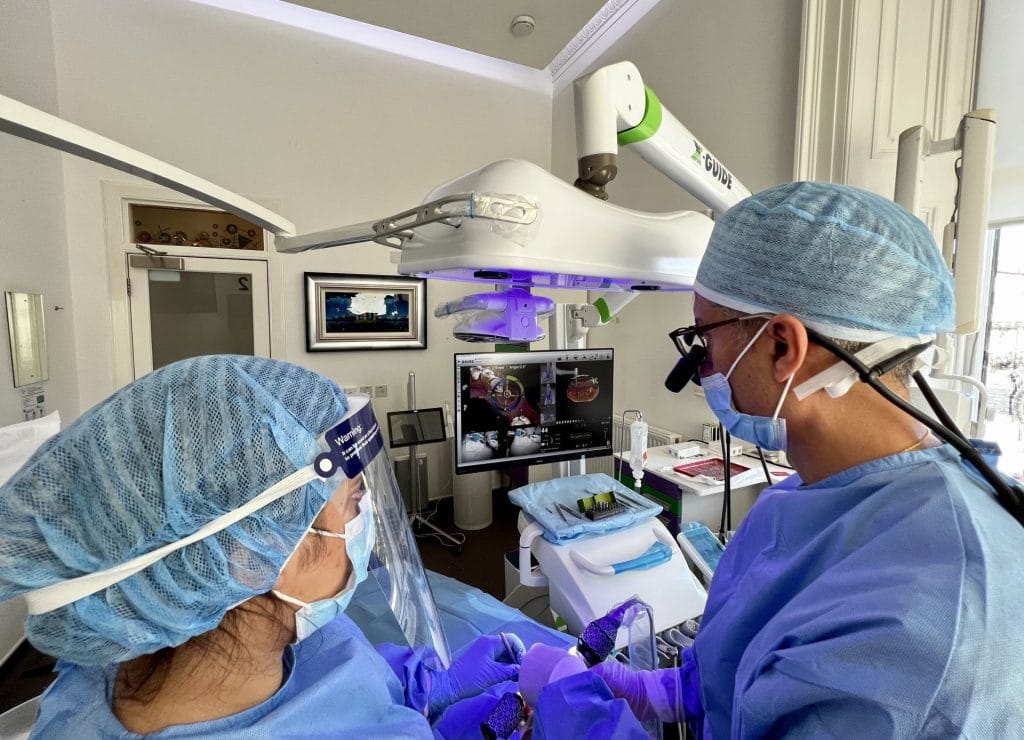
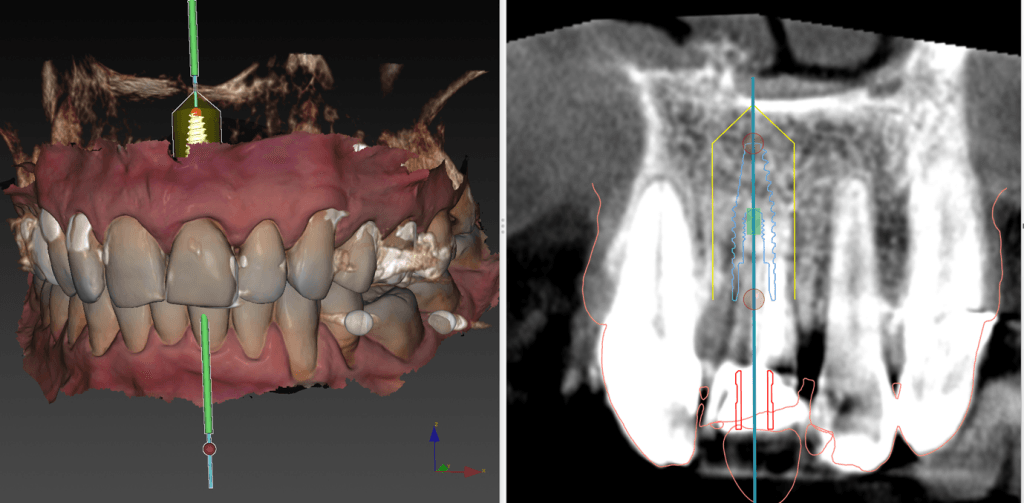
    But with the advent of Navigation guided surgery over the last couple of years implant placement has almost become a non-event.  

    Rather than planning in your mouth we can now plan from a virtual digital representation of your mouth to look at the design of the missing tooth from the perspective of real looking teeth and optimal position to be able to support the biting forces.

    To achieve this, we want to recreate/design the missing teeth first and then place the implants underneath these where we can maximise the aesthetics and achieve the optimal load distribution to allow these teeth to achieve a maximum life expectancy.

    With conventional implant dentistry this is not always the case. Implants are placed where the bone is and the teeth are then made at a later stage to fit in with this often suboptimal position of the teeth. This not only creates undue stresses on the teeth and implant structures but also has a negative impact on the aesthetics of the teeth. Like any engineering which has to withstand heavy loads over a long time these structures will also have a reduced life expectancy.

    Planning the teeth design and position digitally allows us to finesse the design as well as the engineering so that we can ensure the best possible fit of the new teeth with your existing teeth.

    Now that we know where the implant needs to be how do we translate this accurately to the Optimal 3D position in the mouth?

    As alluded to earlier, historically we used to use surgical guides but now we have the benefit of Navigation guided surgery.

    Navigation guided surgery deploys similar technology to what is used to dock spacecraft on the space station. This results in a myriad of benefits:

    • Improved Accuracy: Navigation systems utilise advanced imaging techniques and computerised planning to guide the placement of dental implants with exceptional precision. This leads to improved accuracy in implant positioning, ensuring optimal alignment and fit within the patient’s jawbone. Precise implant placement can result in better long-term aesthetic outcomes and improved functionality.
    • Minimally Invasive Approach: Navigation-guided surgery allows for a minimally invasive approach, as it enables the surgeon to create a smaller or sometimes no incision and use smaller instruments. This results in reduced trauma to the surrounding tissues, decreased postoperative pain, and faster recovery for the patient.
    • Personalised Treatment Planning: The use of navigation technology allows for detailed preoperative planning based on the patient’s unique anatomy. The dentist can assess the quantity of the bone, evaluate proximity of nerve and blood vessels and determine the optimal implant size, length, and angulation. This personalized approach enhances the predictability and success of the implant procedure.
    • Real-Time Visualisation: During the surgery, the navigation system provides real-time visualisation of the surgical site, allowing the surgeon to track the position of the instruments and implants in relation to the patient’s anatomy. This immediate feedback helps ensure precise placement and reduces the risk of errors or complications. This is where this trumps over any other implant treatment modalities.
    • Reduced Risk of Damage: Navigation systems provide guidance to avoid critical anatomical structures, such as nerves, blood vessels, and sinus cavities. By minimising the risk of damage to these structures, the procedure becomes safer and less invasive, reducing the likelihood of complications. This also reduces the risk of the procedures.  
    • Enhanced Long-Term Implant Stability: Accurate implant placement achieved through navigation-guided surgery can result in improved long-term stability of the dental implant. Proper alignment and distribution of forces on the implant help to prevent complications such as implant failure, bone loss, or gum recession.
    • Increased chance of leaving with a fixed temporary tooth if the bone is of good quality. The day that you lose your tooth you get your tooth back!
    • Increased Patient Confidence: The use of advanced navigation technology can instil confidence in patients by demonstrating a higher level of precision and safety. Patients are likely to have a better understanding of the treatment plan and feel more comfortable undergoing the procedure, leading to a more positive overall experience.
  • Dental Crown Fell Out? Here’s What to Do When You Can’t Reach a Dentist

    Dental Crown Fell Out? Here’s What to Do When You Can’t Reach a Dentist

    Experiencing a dental emergency can be stressful, especially when you find yourself in a situation where your dental crown falls out and you don’t have immediate access to a dentist. While it’s always best to seek professional dental care, there are steps you can take to manage the situation and minimise discomfort until you can visit a dentist. In this blog post, we will provide you with a step-by-step guide on what to do if your dental crown fell out and you find yourself without immediate access to a dental professional.

    Stay Calm and Assess the Situation:

    First and foremost, it’s important to stay calm and assess the situation. Losing a dental crown may cause some sensitivity or discomfort but remember that it’s usually not an emergency. Take a deep breath and proceed with the following steps to help manage the situation.

    Retrieve the Crown and Inspect It:

    Carefully locate the dental crown that has fallen out. Handle it gently and inspect it for any damage or debris. If the crown is intact, you may be able to temporarily reattach it yourself. However, if it is cracked or damaged, avoid attempting to reattach it and consult a dentist as soon as possible. Also, if you struggle to get it to fit properly, it’s best not to force it in case you end up causing damage to other teeth.

    Clean Your Mouth and the Crown:

    Thoroughly clean the affected area by rinsing your mouth with warm water. Gently brush around the area, taking care not to dislodge any remaining tooth structure. Clean the inside of the crown as well, using a toothbrush and toothpaste. This will help remove any debris or bacteria.

    Temporary Crown Reattachment:

    If the dental crown appears to be in good condition, you can try temporarily reattaching it yourself using over-the-counter dental cement or even denture adhesive. These products can be found at most pharmacies. Follow the manufacturer’s instructions carefully when applying the adhesive or cement to the crown and tooth. Ensure the crown is properly aligned before applying any pressure.

    Be Mindful of Your Diet and Habits:

    While waiting for your dental appointment, it’s crucial to be mindful of your diet and habits. Avoid sticky or hard foods that may dislodge the temporary crown. Opt for softer foods and chew on the opposite side of your mouth to minimise stress on the affected area. Additionally, refrain from using the affected tooth for biting or chewing gum, as it may cause further damage.

    Contact a Dentist:

    Even if you have successfully reattached the dental crown temporarily, it’s important to contact a dentist as soon as possible to schedule an appointment. A loose or lost dental crown may indicate an underlying issue that needs professional attention. Dentists have the expertise to properly clean, evaluate, and permanently restore your dental crown.

    Experiencing a dental crown falling out can be unsettling, especially when you can’t immediately visit a dentist. Remember, it’s essential to stay calm and take the necessary steps to manage the situation until you can seek professional dental care. By retrieving the crown, cleaning your mouth and the crown, temporarily reattaching it if possible, being mindful of your diet and habits, and contacting a dentist promptly, you can ensure the best outcome for your dental health. Remember, these steps are temporary solutions, and visiting a dentist should be your priority to address the underlying issue and ensure a long-term, permanent solution.

  • Refer Your Friend

    Refer Your Friend

    We are thrilled to introduce an exciting new referral scheme at our dental practice. As a token of our appreciation for the ongoing support and trust our patients place in us, we have implemented a rewards program for referrals.

    For every friend or family member you refer to our practice, you will receive a £20 voucher as a thank you, to spend on your own oral health. Not only will you be helping your loved ones find excellent dental care, but you’ll also receive a little something special for yourself. It’s our way of giving back and expressing gratitude for your loyalty and confidence in our services. Read below for the details of how this new scheme works!

    ‍Here are main terms and conditions for participating clients:

    1. The promotion is available to all registered adult clients. Referred person must be at least 18 years old.
    2. To be included in the promotion, the referred person must be a new patient to us and reference your full name on booking their first appointment and attend that visit.
    3. If you have been identified as a referral source to at least one of our new patients, you will receive an email with a voucher code.
    4. Vouchers are redeemable on treatments and oral health products sold in the practice. The voucher cannot be used to cover laboratory fees.
    5. You can use your awarded voucher by presenting the email with the code to the reception team within the following year
    6. Vouchers must be applied before your treatment/purchase commence.
    7. Vouchers cannot be exchanged for cash, transferred to another patient or split into multiple transactions.  
    8. Vouchers are valid for 1 year from the date of email sent to you notifying you about the gift.
    9. Vouchers cannot be combined with other discounts or finance plan, but can be used in full by members of Manor Maintenance Plan.

    Thank you again for your trust and referrals- they are key to spreading the word and helping those you care about access quality dental care.

  • White filling or direct composite restoration?

    White filling or direct composite restoration?

    Most people want to have attractive smiles with teeth that look like real teeth so they choose white fillings to restore their cavities or replace unsightly metal fillings.

    However, teeth are not just for beauty they must withstand heavy, crushing forces which can lead to rapid deterioration of the fillings. Especially if the fillings are fabricated using budget materials and do not follow the optimal shape of natural teeth to fit exactly into your bite.  The result? You swap unsightly metal fillings for stained white fillings.

    With the appropriate care, the right skills and high-quality materials your teeth can be rebuilt to their optimal strength and look like how nature intended. Not only will they be able to withstand the punishing forces that you throw at them they will give you the confidence of a long-lasting natural smile.
    ‍

  • The Importance of Back Teeth: Do They Make or Break Your Dentition?

    The Importance of Back Teeth: Do They Make or Break Your Dentition?

    The Importance of Back Teeth: Do They Make or Break Your Dentition?

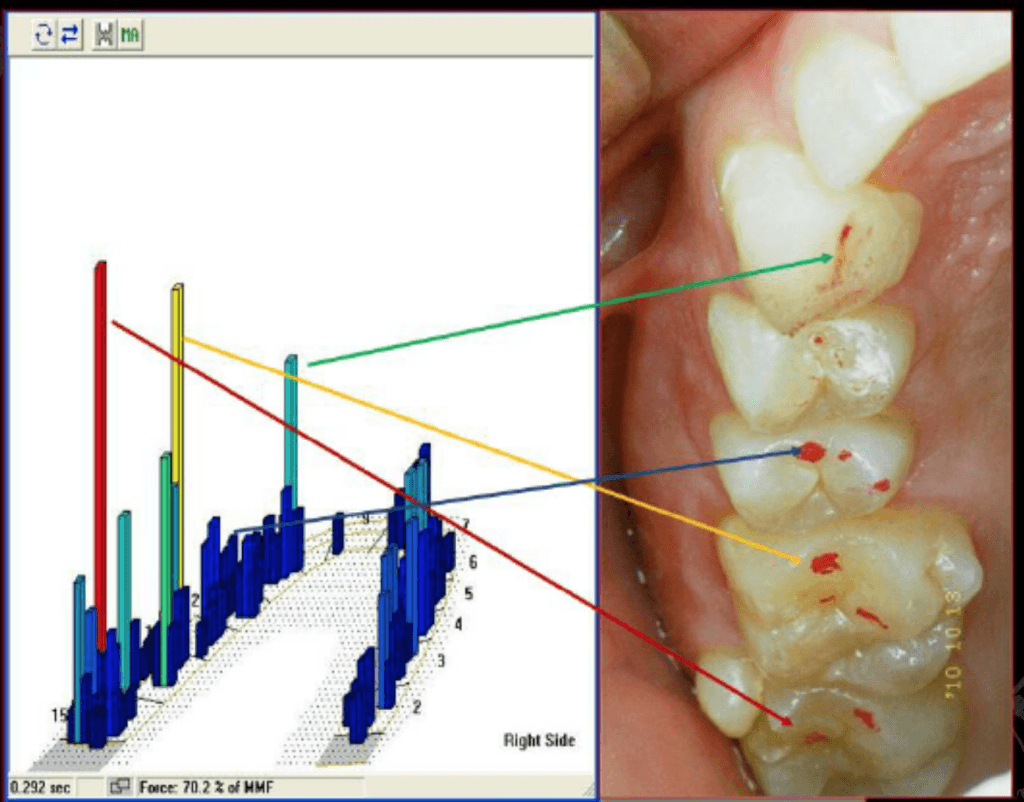
    ‍During my career as a dentist, I have heard “it’s just a back tooth”, again and again. This has often resulted in a reduced investment in time and money when dealing with the back teeth. For example, back teeth receive inappropriate restorations when they should be crowned, or a tooth is extracted when it should have been root treated.  

    One look at social media in dentistry and you can see the amount of weight given to the “front six” and the rest of the mouth is entirely disproportionate.  

    This ultimately means that back teeth are lost when they could have been saved. So what, right? “They’re just back teeth”.

    Jaw Force & Fractures

    Here’s what! The human jaw is very powerful and can exert a great deal of force. How else could you crush ice cubes or chew toffee? Neither of which we condone! This means the jaw force needs to be managed and applied in such a way that teeth will not break. Fun fact, your teeth are harder than bone by some margin and yet the fracture of teeth is something I see daily!  

    Dentition & It’s Function

    With a full dentition and teeth in a favourable position, this force can be dissipated, and teeth can last a lifetime. However, a little bit of wear and tear or crowded teeth can mean ongoing fractures or breakage. If you take away your big and bulky back teeth from their role in dissipating force, suddenly, the rest of your teeth must work harder.

    If One Tooth Breaks, Others Will Too

    Top and bottom teeth collisions are responsible for accelerated wear and fracture in the mouth. Will ‘the front six’ manage force? Will thin edges of these teeth take the full load of our daily lives? Or will they wear and tear and ultimately break?

    Let’s Be Proactive

    It’s time to make the most of all of our teeth and do what we can as early as possible to protect them. At Integrated Dentalcare, our dental health checks look at whether cracks are present and how the teeth are interacting. We aim to take the proactive approach to prevent the loss of your teeth and tooth structures. It is difficult to predict when a crack may propagate nor how, and so if one has been spotted, why take the risk?

    Remember the old adage “a stitch in time saves nine”

    You will avoid costly dentistry and bigger problems later on by the proactive and joined-up-thinking approach that we have. Remember, your back teeth will protect your front teeth (vice versa), if they are well maintained and invested in. Every tooth has value.

    ‍Dr. Allan Matthews

  • How to Prepare Your Body for Successful Implant Treatment

    How to Prepare Your Body for Successful Implant Treatment

    Supplements, Vitamins, and Homeopathies Promoting Bone Growth and Wound Healing 

    Most of us know that vitamins keep us healthy, and many have a special role to play; but beyond that, what do vitamins do, and why do we really need them? Get all the essential facts on how to prepare your body for successful implant treatment below! 

    • Vitamins – D3, Magnesium, K2, and zinc, all play an important role in preparing t he jawbone and increasing the success of any implant or grafting surgery.  
    • Vitamin D3 has numerous benefits – it helps with better production of bone after implant and grafting surgery. It reduces the chances of infection and inflammation through supporting anti-inflammatory immune system activities. 

    Some experts recommend that the system should be shored up with up to 7000iu of Vitamin D3 for at least one month prior to any surgery. It is essential to consider advice from your Medical GP or a Functional Medical Practitioner prior to any self -supplementation to ensure that this does not affect any pre-existing medical conditions or medication that you may be taking. 

    Some foods contain ingredients that can trigger or worsen inflammation. Processed or sugary foods may do this, while fresh, whole foods are less likely to have this effect. Low carbohydrate and high fibre diets help with reduced inflammation and increased antioxidants. 

    One day before and for the following two weeks consider the following, to assist wound healing: 

    • Anti-inflammatories such as Ibuprofen 400mg, three times daily, one day before surgery and one tablet before treatment (provided no history of asthma). Continue taking Ibuprofen 400mg for up to 4 days.
    • Arnica tablets/drops –used for treating paining, bruising, bleeding, swelling. 
    • Hypericum – anti-inflammatory, anti-microbial, astringent properties -wound healing 
    • Calendula – anti-inflammatory, antibacterial (useful in wound healing). 
    • Propolis – anti-septic, anti-inflammatory, antioxidant, antibacterial. 
    • Probiotics – helps with addressing the disruption in the gut bacteria caused by the antibiotics.  

    Whilst these products are not normally advocated by Western Health Authorities, many people do use these products and find them to be very successful in supporting the healing process. 

    • Electrolyte Rich Water – It is recommended to sip 2 litres of water a day. This not only hydrates the body, but also helps to flush any toxins.
    • Laser Bio Stimulation – Laser light can be used to naturally accelerate the wound by healing, repairing, and speeding up the recovery process. 
    • Mouth Hygiene -It is essential to visit your hygienist at least one week prior to your surgery to help ensure that all localised gum inflammation has been addressed. If you suffer from gum disease (this may take longer to stabilise and so you may need to start up to three months before). Addressing the inflammation in your mouth/body also reduces the acidity in your body, which further enhances the effectiveness of the immune system and thereby the healing process. Currently the most effective and gold standard treatment to address this is GBT Therapy. 

    After the surgery (not before), use non acidified Ester-C (1g vitamin C) to support the healing process. Taking vitamin C before the surgery can reduce the effectiveness of the local anaesthetic and is best avoid for obvious reasons! 

    • Avoid brushing or rinsing around the surgical site as this may disturb the wound and risk tearing the stitches. Do not pull at your cheek as this may disrupt the wound healing.
    • For the first 48hrs maintain a cold, liquid diet (smoothies, frozen yogurts, fruit/vegetable uses) to ensure effective wound coagulation.
    • Up to 2 weeks maintain a soft diet(anything that can be squished between your fingers).
    • Use icepacks to control the swelling. For three hours – 10 mins on 5 mins off and repeat.
    • Sleep propped upright with two pillows or even in an armchair for the first 24 hours.

    If you have further questions on how to prepare your body for successful implant treatment, send us an email [email protected].

    Schulze-Späte U, Dietrich T, Wu C, Wang K, Hasturk H, Dibart S. Systemic vitamin D supplementation and localbone formation after maxillary sinus augmentation – a randomized, double-blind,placebo-controlled clinical investigation.  

    Clin Oral Implants Res. 2016;27(6):701–6.doi:10.1111/clr.12641 

    Choukroun J, Khoury G, Khoury F, Russe P, Testori T,Komiyama Y, Sammartino G, Palacci P, Tunali M, Choukroun E. Two neglected biologic risk factors in bonegrafting and implantology: high low-density lipoprotein cholesterol and lowserum vitamin D. 

    J Oral Implantol. 2014;40(1):110–4. doi:10.1563/AAID-JOI-D-13-00062 

    Bryce G, MacBeth N. Vitamin D deficiency as a suspectedcausative factor in the failure of an immediately placed dental implant: a casereport.  

    J R Nav Med Serv. 2014;100(3):328–32.  

  • Loose Dentures?

    Loose Dentures?

    How Do I address My Loose Dentures?

    A loose denture can be uncomfortable, embarrassing or even painful to wear. There are can several reasons why your denture(s)doesn’t fit the way they used to. Your jaw shape has changed over a period of time to the point that the denture(s) puts more pressure on certain areas causing pressure sores; the teeth have worn down and so your bite has changed; if you still have some teeth then perhaps the teeth have drifted or even chipped resulting in less hold for the denture.

    Initially, you might successfully use denture adhesive to retain the dentures but once there is sufficient alteration you may find that this does not work. In fact, you may accelerate the damage to the underlying jaw by persevering with this. It is imperative that you mention this at your dental health assessment. Sometimes all that is needed is a simple reline of the denture.

    If the denture is retained by teeth, then perhaps the teeth need to be rebuilt to allow a snug fit with a new denture. This can be achieved by special crowns or even precision attachments which allow the denture to click into them, minimising movement, or dislodgement.  

    If there are no teeth, then a Japanese style Suction denture can be made which using special techniques to create a superior fitting to your jaw.

    Of course, a more common solution may be the use of implants to predictably attach the denture to your jaw. This will markedly improve the retention resulting in better chewing of your food; more choice of food that you can eat; confidence that the denture won’t move when you smile, talk or eat. Nowadays, these are very routine and predictable treatments which also help to stop the further erosion of your jaws.

    In fact, an international consensus report on the minimal standard of care acceptable with someone with missing lower teeth was a denture supported by two implants.

    Secure teeth allow better eating and tasting of your food which means less stomach problems and better long- term health.

  • Halitosis or Bad Breath

    Halitosis or Bad Breath

    Halitosis (bad breath) is mostly caused by sulphur-producing bacteria that normally live on the surface of the tongue and in the throat. Sometimes, these bacteria start to break down proteins at a very high rate and become odorous. Bad breath is a common problem that can cause significant psychological distress. There are a number of potential causes and treatments available.
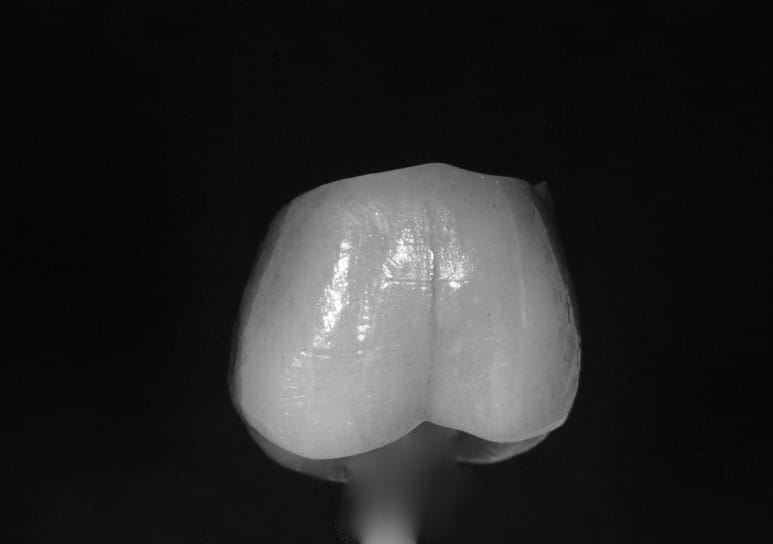
    What Causes Breath Odour?

    Poor Dental Hygiene:

    The combination of the bacteria and decaying food in your mouth produces an unpleasant odour. Brushing and flossing regularly removes trapped food before it decays.  

    If bacteria is not removed, this substance can accumulate over time causing plaque build-up. Plaque build-up can cause cavities and periodontal disease. Bad breath also can be a problem if you wear dentures and don’t clean them every night.
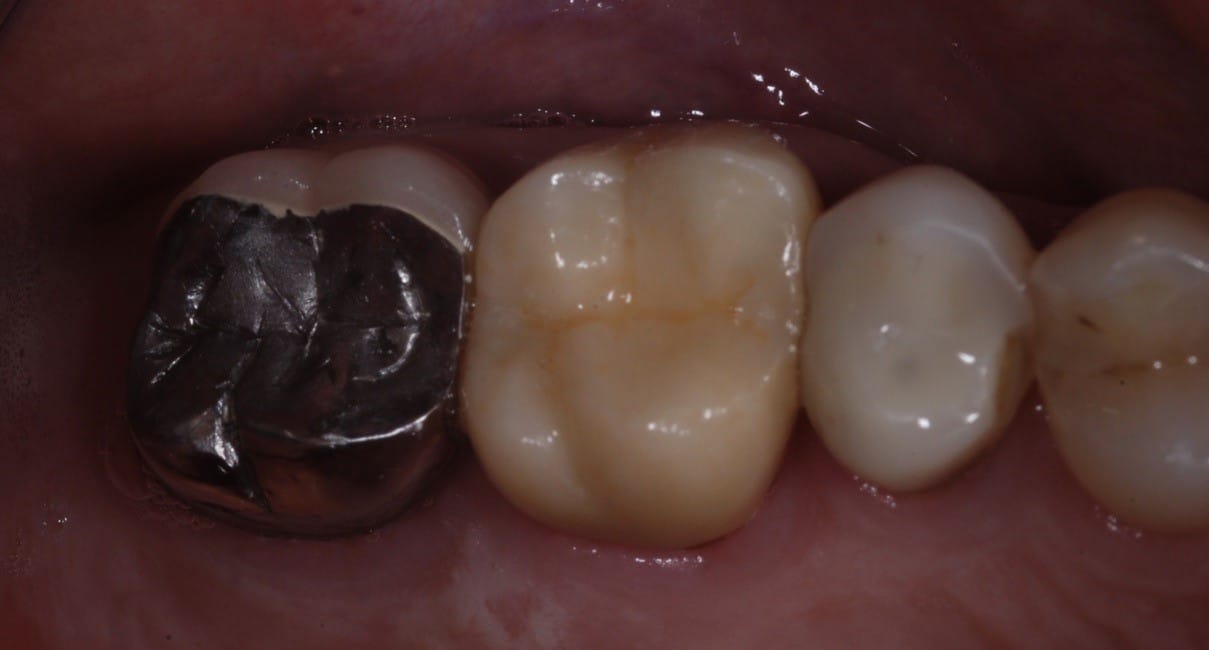
    Smoking

    Smoking cigarettes or cigars causes a bad odor and dries out your mouth, which can make your breath odor even worse. Smoking interferes with the normal function of gum tissue cells. This can make smokers more susceptible to infections, such as gum disease. Since periodontal disease’s tend to impair blood flow to the gums – this may affect healing.  

    Dry Mouth

    Dry mouth can also occur if you don’t produce enough saliva. Saliva helps keep your mouth clean and reduces odor. This can be caused by medicines, alcohol, stress or a medical condition.  

    ‍Symptoms of Halitosis or Bad Breath

    • A white coating on the tongue especially at the back of the tongue
    • Dry mouth  
    • Thick saliva and a constant need to clear your throat
    • Build up around teeth
    • Post-nasal drip, or mucous
    • Morning bad breath and a burning tongue
    • Constant sour, bitter metallic taste.

    The specific odor of breath can vary depending on the cause of the problem.  

    When To See Your Dentist About Bad Breath

    Be sure to see your dentist and dental hygienist at least twice a year for regular dental assessments and hygiene treatments. Your dental hygienist can spot and treat bad breath causes such as gum disease.  

    Ask your dentist about other potential solutions for halitosis. For example, for dry mouth, your dentist might recommend artificial saliva. Also talk to your dentist before buying any kits or products for controlling bad breath.

    Treating Halitosis

    ‍Treating halitosis can be achieved in a few different ways. If the breath odor is due to a build-up of plaque, treatment with a hygienist may be necessary. Your hygienist can assess the concern, and treat the build-up of calculus. Your hygienist can also give you lifetime advice and at home cleaning techniques to maintain a clean and healthy mouth.  

    People with chronic sinusitis may find the regular use of a saline nasal spray helpful. A course of an antibiotic, effective against anaerobic bacteria (such as metronidazole, to reduce the overgrowth of sulphur-producing bacteria), may also help. Speak to your dentist, doctor or chemist to identify the cause of your halitosis and to find the most effective treatment for you.

    ‍How Can I Prevent Breath Odour?

    ‍Preventing breath odor can be simple if home care in conjunction with regular hygiene visits are made. You should make sure that you are brushing your teeth at least two times a day, and flossing regularly. Use antimicrobial mouthwash to kill bacteria and ensuring that you are keeping your tongue cleaning with either brushing with your toothbrush or a tongue scraper.  

    Staying hydrated is important to prevent breath odor. Drink water to wash away any leftover food particles, along with keeping your mouth moist. Quitting smoking is important to help keep your mouth free of odor.  

    There are several routines to keep your mouth healthy and odorless. Clean your dentures, mouth guards and retainers daily. It is important to replace your old toothbrush with a new one every 3 months.  

    Don’t Forget!

    Remember, hygiene visits are just as important as your regular dental assessments and should be scheduled at least twice a year. If you’d like to get yourself scheduled in with our dental hygienist, click the link below!  

    Your Integrated Dentalcare Team

  • Guided Biofilm Therapy

    Guided Biofilm Therapy

    Just as x-rays have been replaced by digital high-definition x-rays; teeth impressions have been replaced by 3D teeth scanning; wire braces have been replaced by computer generated precision clear trays to straighten teeth now the most important aspect of dental care – hygiene care to ensure the maximum longevity of your dentition has been superseded by the greatest advance in hygiene therapy concepts in over three decades:  Guided Biofilm Therapy.

    1. COMFORT

    Guided Biofilm Therapy (GBT) uses advanced powder formulations, delivered using computer-controlled precision instruments, at body temperature to create the most comfortable, thorough and gentle hygiene experience available. Maximum benefit with minimal tooth sensitivity.  

    ‍2. HARMFUL BACTERIA CAN BE SEEN AND REMOVED EASILY

    Dental Biofilm ( a sticky film with plaque and tartar) is the primary cause of;

    The biofilm on your teeth is disclosed by using a specialised soluble dye to highlight the “at risk areas”. These areas are then targeted ensuring efficiency, effectiveness and comfort. Working with your hygienist, a homeware program tailored to your particular needs is developed to ensure that you achieve the maximum benefit from your hygiene care.

    ‍3. SAFETY

    This treatment is user-friendly and comfortable for all age groups. Painting the biofilm ensures that the treatment is more interactive especially for our young people. Unlike conventional ultrasonic instruments, this technology is safe for most medical conditions.

    ‍4. PEACE AND QUIET – AT LAST!

    No more high-pitched whine or vibration thanks to the precision Swiss componentry. This creates a relaxing experience with a clean and fresh mouth at the end of the treatment.

    5. LEADING HEALTH – LETS PREVENT AND MAINTAIN TO PROTECT YOURSELF

    To maximise the longevity of your dentition and minimise the need for repeat dental treatment it is essential to visit your dental hygienist regularly based on your risk profile as identified by your dental team. GBT is a collection of the latest concepts designed to help you tackle gum disease, tooth decay and disease around implants.

    FACT!

    Did you know Gum Disease may increase the risk of developing Systemic Diseases including;

    • Cardiovascular  
    • Respiratory Disorders  
    • Arthritis  
    • Dementia and Alzheimer’s
    • Diabetes

    6. STAIN REMOVAL – WITH NO MORE POLISHING PASTE

    The fine, dissolvable powder, mixed with warm water, helps to gently remove tough staining without touching the teeth. This ensures the teeth, restorations and appliances are not scratched or damaged unlike polishing paste and many toothpastes.

    7. MULTITASKER

    The technology is not just for the teeth. It can used safely and comfortably on varying areas. It is effective and gentle on the soft tissues, restorations and teeth  

    8. MINIMALLY INVASIVE

    GBT reduces the need for uncomfortable hand or sonic instruments and abrasive polishing tools. This treatment preserves the tooth’s natural enamel and leaves your teeth feeling smoother and more hygienic than ever before.  

    9. EFFICIENT & TIMESAVING

    Because the bacterial biofilm can be seen, your Hygiene Therapist can target these areas more efficiently. This makes your experience more comfortable and pleasurable.

    10. BACTERIA FIGHTING

    The active ingredients in the fine powder alters the DNA of harmful bacteria. This stops fast reproduction. If biofilm is minimised the risk of gum disease, tooth decay and dental infections drops.  

    The Integrated Dentalcare Team are pleased to offer you the greatest advancement in dental hygiene treatments in thirty years. We want the best for our clients and are excited to begin the GBT journey with you! We strive to deliver the highest standard of treatments available with the most care and comfort possible. With GBT this can be achieved!

    We look forward to seeing you soon,

    The IDC Team

  • Autumn 2020 Newsletter

    Autumn 2020 Newsletter

    Welcome to our Autumn Newsletter!

    The team wants to ensure that everyone continues to receive a high standard of care at the practice during the pandemic.

    It is especially imperative that, as the number of Covid-19 cases continue to rise, we follow the guidelines set to ensure that everyone visiting the practice feels safe. This is especially important for our immuno-compromised and elderly patients.

    Please note the following guidelines that we will continue to follow. It is crucial that we follow these guidelines to continue to allow us to deliver the best level of care possible.

    • Filling in the Patient Portal forms prior to each visit. Without completing this paperwork your appointment cannot go ahead.
    • Wearing a mask during your visit in all of the common areas.
    • Washing hands or using the alcohol gels provided.
    • Prepayment to cut down administrative work to ensure that the team can concentrate on your care during your visit. Please avoid cash as this increases the risk of virus spread.
    • Currently it may take up-to 48 hours for the team to respond to emails due to the increased administrative burden. We aim to make this more efficient with your help by automating the paperwork and embracing prepayment.

    As there is an uncertainty over how the authorities will continue to manage the virus spread and it is especially important that you attend for your regular hygiene/dental health checks.

    If you are aware of any dental issues please do not ignore these. It is important that issues are addressed sooner to minimise the need for more extensive and more expensive solutions later on.

    Dental Awards

    We are happy to announce that we are finalists for Best Patient Care in the Dentistry Scotland Awards 2020. We demonstrate daily how our practice stands out in caring for you which makes us different from any other practice.

    We’re also finalists for best team in the Dentistry Scotland Awards2020.

    We would like to thank all of our lovely clients who have written testimonials and google reviews to support us. We couldn’t have done it without you!

    Dr Allan Matthews has been nominated for Best Young Dentist of the year. A special thank you to Allan who has gone above and beyond this year to showcase his passion for dentistry.

    Guided Biofilm Therapy

    At the beginning of the New Year, you will have the option to avail the latest Swiss technology to provide the ultimate hygiene experience.

    Guided Biofilm Therapy is a state-of-the-art approach to dental hygiene and the prevention of disease. It is the least invasive, most efficient and most comfortable hygiene treatment available.

    Sensitivity is virtually eliminated as this technology delivers warm air and water with a soluble powder, enabling us to deliver the highest standard of hygiene treatment in the most minimally invasive way, leaving your teeth feeling cleaner and your mouth feeling healthier than ever before.

    Orthodontic Restorative Work

    Dr Allan Matthews

    In dentistry, like medicine, there are a number of different “fields” of study. Some dentists may study to be root canal specialist, or to perform implants only, or to primarily perform surgical work.

    In order to co-ordinate comprehensive care, it is highly important that the general dentist is well versed in multiple disciplines. One such example is when managing worn teeth.

    The wear pattern on teeth can commonly be related to the way the top teeth and the bottom teeth interact. So if you simply restore the teeth without addressing an unfavourable interaction, it stands to reason we are simply inviting the same problem to return – possibly faster, depending on materials used.

    For this reason, a comprehensive restorative plan should include an assessment on tooth position and whether this could or should be influenced to mitigate risk and manage forces related to tooth interaction. Orthodontically moving teeth is often therefore beneficial to function and health, rather than simply being of cosmetic benefit.

    Thankfully, moving teeth has never been so discreet – and we have within out toolkit various ways to move teeth which are not visible to normal social interactions. These range from a series of clear aligners through clear removable appliances to ceramic fixed appliances with coated wire. It is usually the case of finding out what movements are needed and using the desired system based on this.

    Not only this, but many simple plans may be in the region of 3-9months. We are not tied to this timeline, it is more about doing what is necessary to achieve the desired result, however it may not be as long or as obvious as many may think.

    In brief, orthodontics can be:

    • 3-9 months of movements
    • Discreet, being near invisible in social interactions.
    • Beneficial to cleaning, function and health of improving long term outcomes.
    • Pain free

    At Integrated Dentalcare, we can carry out a thorough orthodontic assessment and investigate whether alignment is right for you.

  • Technology

    Technology

    Magnification Scopes

    High magnification vision allows delivery of precision dentistry with utmost care. The result: dental work which lasts for longer and blends into the surroundings.

    High magnification scopes for precise dentistry

    Waterlase Laser Technology

    Laser technology which uses laser activated water to sculpt bone or skin for smile enhancement; precise destruction of bacteria which cause gum disease in gum pockets which don’t respond to other methods of treatment; uncovering of implants which are buried under the skin without the need for conventional surgery and stitches; treatment of cold sores.

    Waterlase uses laser-activated water for fine, gentle treatments

    Soft-tissue Laser

    Pain management after a surgical procedure with no side effects; removal of growths in the mouth; disinfection of gum disease pockets.

    CBCT machine

    A 3D x-ray scanner, which allows detailed images of the jaw for implant planning and to visualise any bony issues using less radiation than an aeroplane flight.

    Together with the 3D tooth scanner it allows precision planning and placement of implants.

    3D x-ray scan

    3D tooth scanner

    3D camera generates detailed coloured virtual models of your teeth eliminating the need for messy moulds of your mouth.

    Planning software allows smile design simulations to allow you to see the potential end result before committing to any alterations.

    Teeth straightening design software to allow manufacturer of clear appliances.

    3D digital colour impression of the teeth.

    T -scan

    Digital bite scanner which shows how your bite movement functions to identify damaging contacts between teeth that may result in the teeth cracking or cause jaw pain.

    Real time measurements showing the magnitude of stress on each tooth rather than using bite paper.
  • Safety First!

    Safety First!

    Extra-oral suction

    Imagine visiting the dentist where an aerosol has been generated whilst treating the last patient. This aerosol is still in the air coming down when you open your mouth. Extra-oral suction eliminates this aerosol.

    With 12 times more power than normal suction combined with HEPA and UVC devices, this technology produces a safe environment for you and our team.

    Aerosol removal by extraoral suction.

    Air Purifiers

    Medical grade air filtration systems, which remove, pollutants, bacteria and viruses to leave a safe, clean air environment.

    Medical grade air purifier with UVc filter to kill viruses, bacteria, fungi; HEPA filters to attach to contaminants; carbon filter to remove smells; mercury filter to remove mercury toxins.

    HoCL

    90 times more powerful than bleach. Our practice uses this wonder disinfecting agent made from water and salt to ensure that all the surfaces are completely and safely cleaned.

    ‍RO water

    This device removes all contaminants from tap water. It then passes the water through a UVc chamber to destroy all bacteria and viruses. This purified water is used in all our equipment and ensures complete safety for you from all potential contaminants.

    RO generator with UVc filter to destroy viruses, bacteria and fungi.

    Private Practice

    Less patients per day allows for more care to keep each individual person safe.

    Spacious dental lounge.

  • Spring 2020 Newsletter

    Spring 2020 Newsletter

    What’s happening at Integrated Dentalcare

    As you may be aware, all dental practices across the country are closed to minimise  the  risk  of  transmission  of  COVID-19.  This   has   resulted   in us relying on government designated Centralised Hubs to manage urgent, emergency care. As the practice prepares to reopen, we  are  closely monitoring and developing protocols to ensure safe dental care whilst maintaining the personalised service that you have previously enjoyed.

    Your next visit

    Our current levels of hygiene and decontamination in the practice ensure that it is already one of the safest places you can be treated in. With the expected changes in PPE guidance, we are also investing in equipment, which will not only surpass the requirements but will also create an enhanced clean environment. This results in your usual appointments needing to be modified for the next six months to ensure that sufficient time exists between appointments, to allow enhanced Covi-19 decontamination protocol.

    Furthermore, we will limit the interaction between team members and clients to reduce the risk of cross transmission. We are trialling video conferencing software to help you achieve the best out of your dental care in the current circumstances. These changes will result in fewer appointments per day, but  as a private practice, we are focused on the quality of our treatments as well as your experience, rather than the quantity. It is important to us that you feel confident, comfortable and above all, safe.

    Rest assured

    The team are hard at work behind the scenes, undertaking continuing professional development whilst supporting our clients who may need emergency dental advice. In addition to this newsletter and others to come, please follow us on Facebook for further updates.

    Your Hygiene Therapist

    Your hygiene therapist, Sophie looks forward to welcoming you back as soon as possible and would like to remind you of the importance of maintaining your oral health.

    Continuing a thorough daily routine consisting of brushing twice and the use of floss or interdental brushes will help to ensure your mouth is as healthy as possible.

    Following evidence-based guidance, important treatments including hygiene may have to be modified. In regards to this, I would request that you bring your own oral hygiene aids with you to appointments e.g. toothbrush, floss, interdental brushes and waterpicks.

    We look forward to elaborate on how we will provide the most effective hygiene experience for you in the next newsletter.

    Warm regards,

    Dr. Neeraj Puri, Dr. Allan Matthews, Sophie McInnes and your Integrated Dentalcare team.

    ‍